The V8 is the layout most closely tied to car culture, yet it began as an engineering exercise in smoothness rather than a search for noise. Two banks of four cylinders at an angle gave compact packaging and even firing intervals.
Its history runs from early marine and aero experiments through American mass production, a European racing renaissance, and now a niche in a market moving towards electric drive.
Key facts
- The first V8 engines appeared in the early 1900s, before mass car ownership.
- The 1932 Ford flathead brought V8 power to ordinary buyers.
- Overhead-valve small blocks replaced flatheads after the Second World War.
- Flat-plane crankshafts make a V8 sound and rev differently from cross-plane designs.
Contents
- Early experiments
- The first mass-market V8s
- The post-war horsepower race
- The oil crisis and survival
- Flat-plane and European V8s
- V8s in the electric era
- Why the layout endures
Early experiments
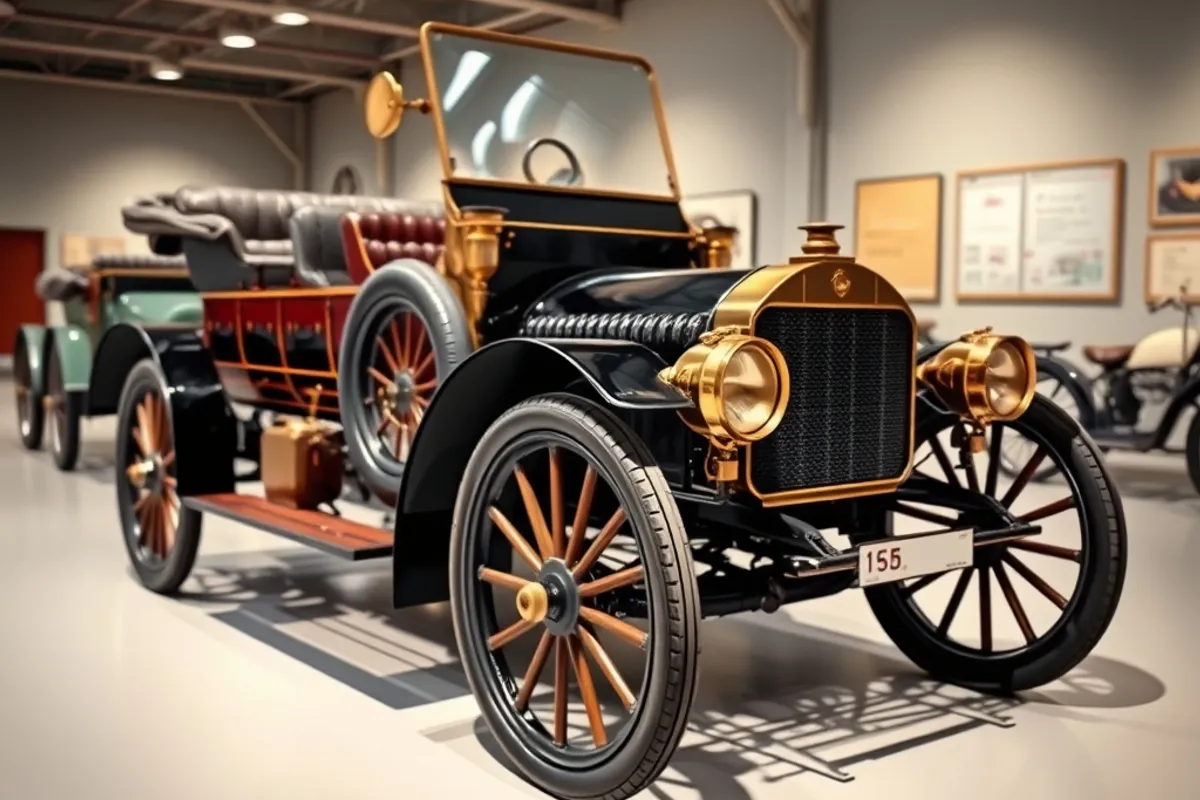
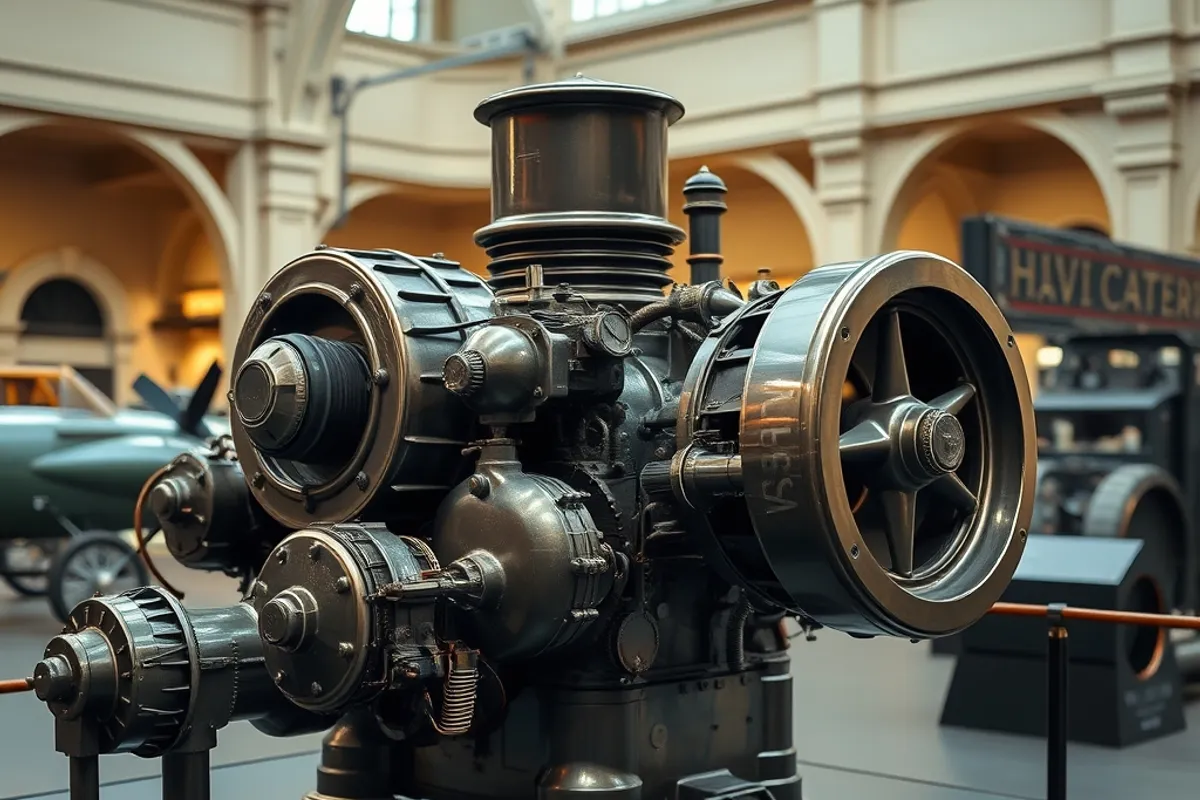
V8 engines appeared in marine and aviation use before they were common on roads. Early examples were heavy, complex and expensive to build, which limited them to racing and wealthy enthusiasts.
Engineers liked the layout because eight cylinders gave smoother power delivery than four, and two banks kept the engine shorter than a straight eight. Packaging, not horsepower, drove the idea.
The first mass-market V8s
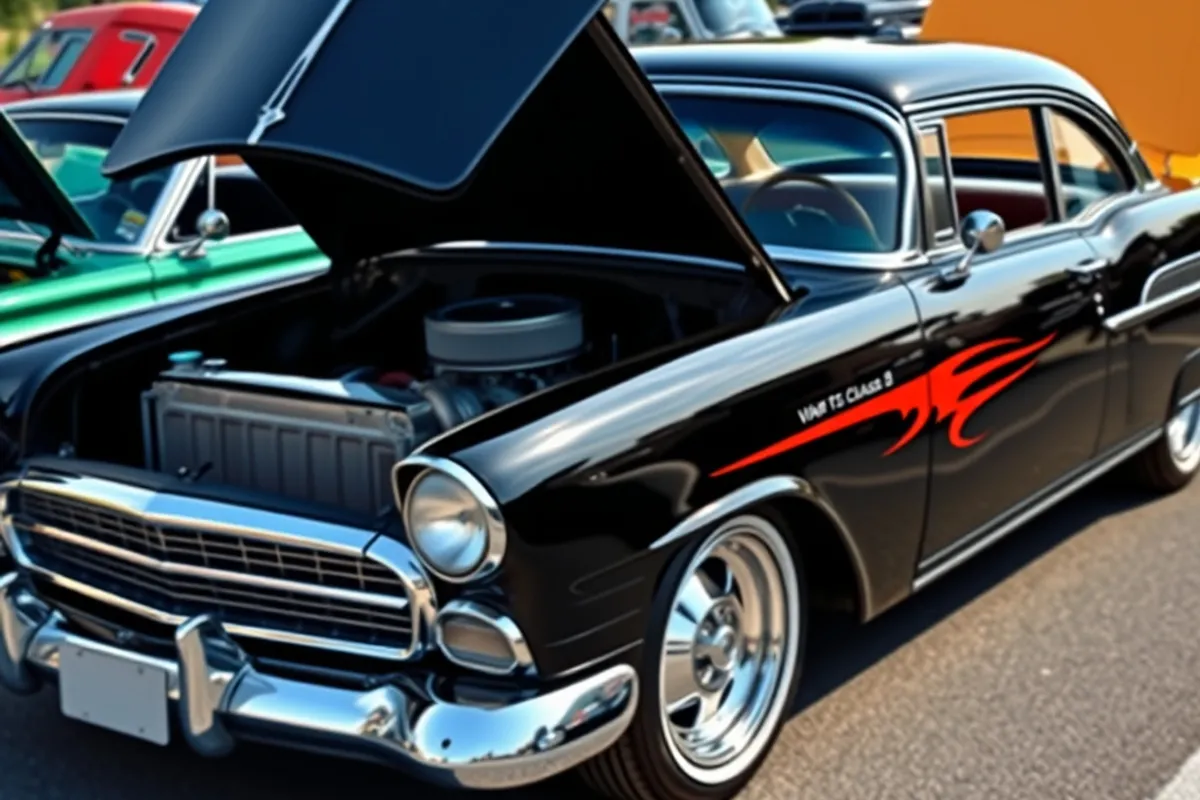
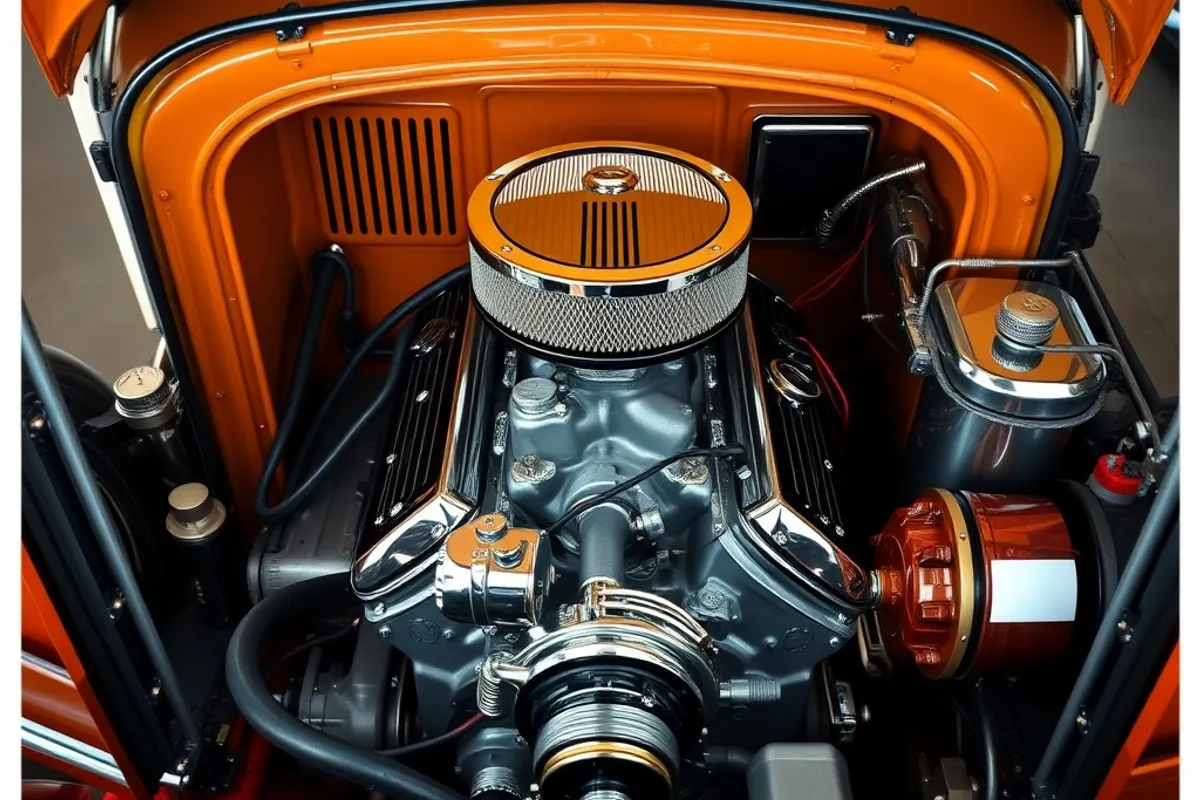
The 1932 Ford flathead is usually credited with putting V8 power within reach of ordinary buyers. It was cheap to build, simple to service and easy to modify, which is why it became the foundation of hot rodding.
Flathead design routed exhaust gases through the block, limiting airflow and compression. That weakness is exactly what made it a favourite: there was obvious room to improve, and a whole industry grew around doing so.
The post-war horsepower race
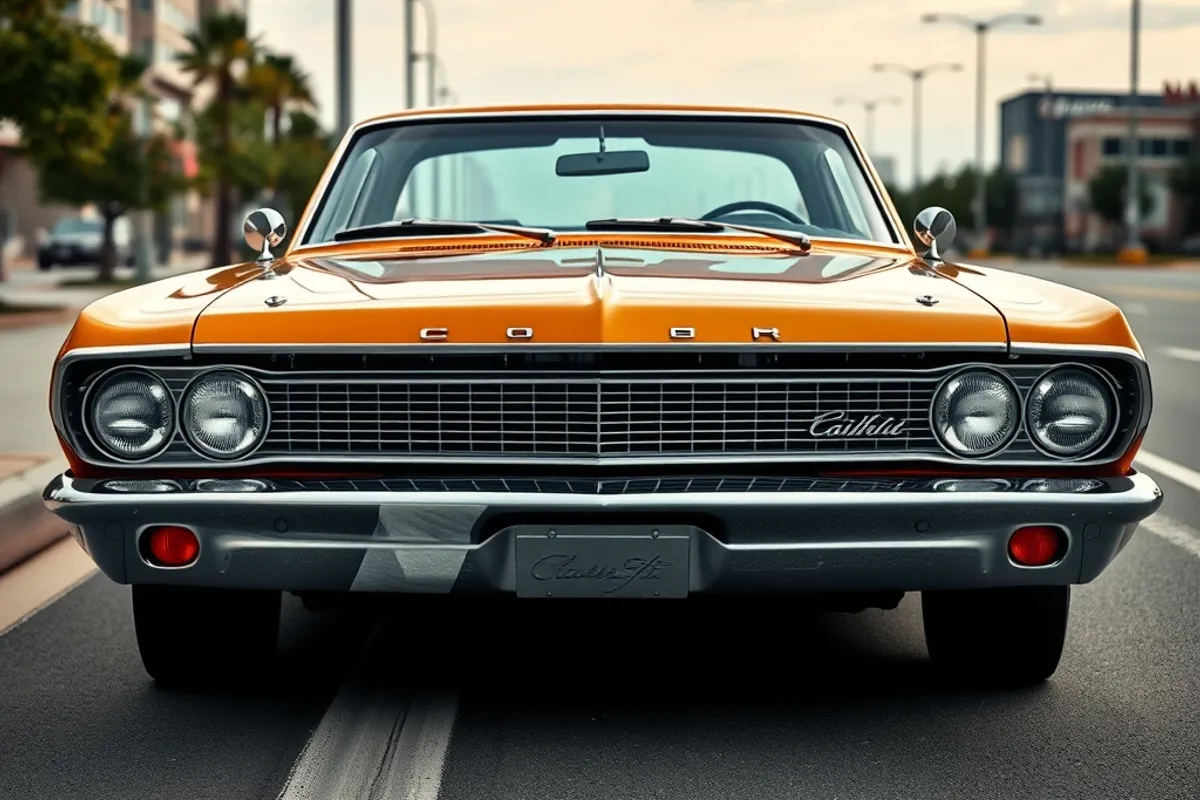
After the Second World War, overhead-valve V8s replaced flatheads in American cars. Higher compression and better breathing made power cheap, and manufacturers began advertising it directly.
This is the era of the small block, an engine family built in huge numbers and modified endlessly. Its legacy is less about any single specification than about how accessible it made performance.
The oil crisis and survival
The fuel shocks of the 1970s made large engines expensive to run. Emissions rules tightened at the same time, and many V8s were detuned rather than redesigned.
The layout did not disappear. It shrank, gained fuel injection and electronic management, and stayed in trucks and larger cars where its torque and refinement still made sense.
The V8 survived not because it was the most efficient layout, but because it was the most persuasive one.
Flat-plane and European V8s
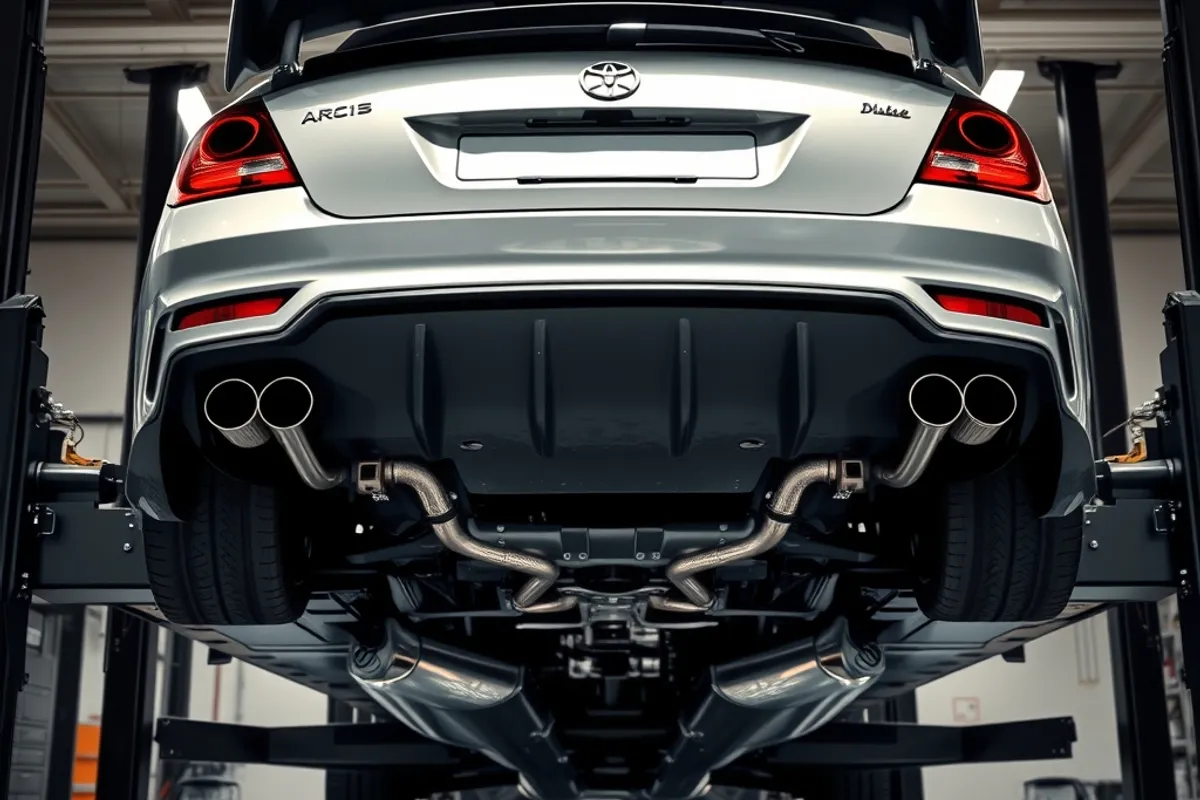
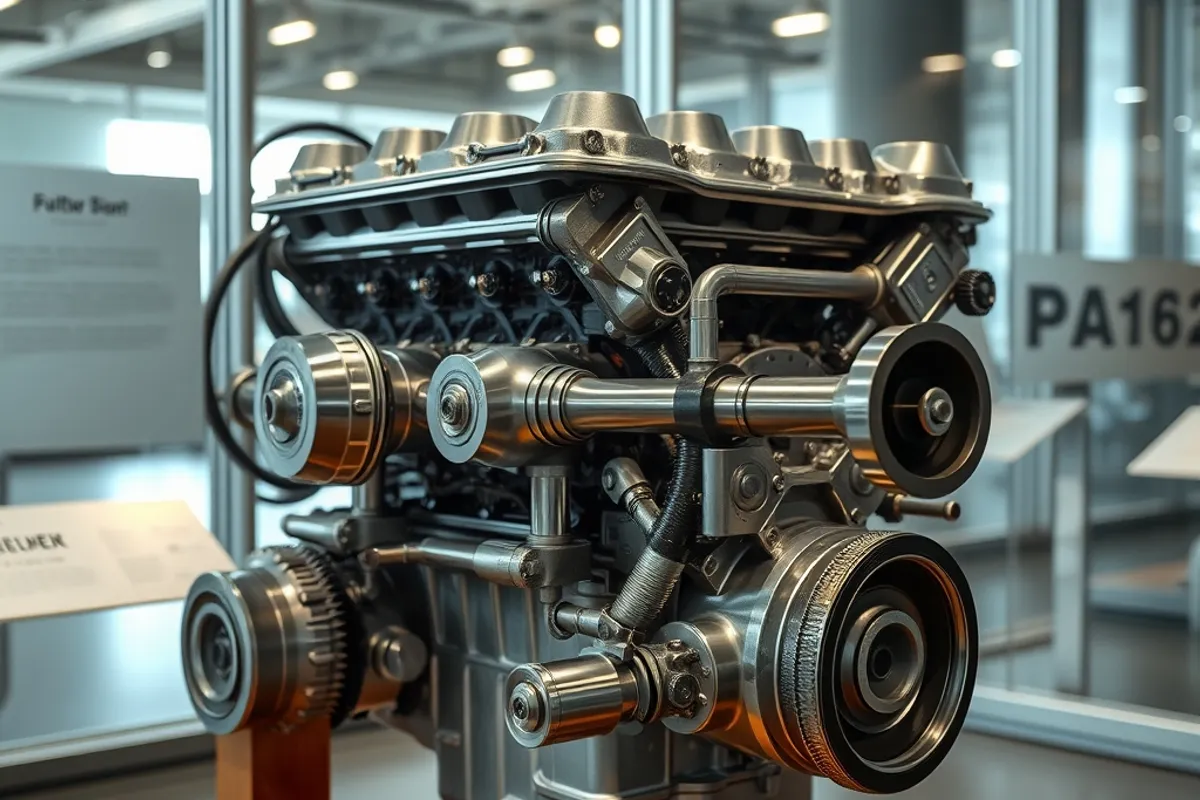
European makers took a different route, using smaller displacement, overhead camshafts and flat-plane crankshafts. A flat-plane V8 fires evenly on each bank, which allows higher revs and produces a harder, more exotic exhaust note.
Cross-plane V8s, the American norm, fire unevenly across banks and produce the familiar burble. Neither is better; they are different engineering answers to different priorities.
V8s in the electric era
As emissions rules tighten, the V8 has moved upmarket. It now appears in performance models and large utilities, often with hybrid assistance rather than as a volume engine.
Some manufacturers have kept small-block families in production for decades through incremental updates. Others have retired them entirely and replaced them with turbocharged sixes or electric drive.
Why the layout endures
The V8 is compact for its displacement, smooth in operation and cheap to manufacture in large volumes. Those three properties explain most of its hundred-year run.
It also sounds like nothing else, and that matters to buyers. For a broader view of the period that produced it, read our history of the first three decades of motoring.