The first cars were not obviously better than a horse. They were noisy, unreliable, expensive and hard to start, and there was almost nowhere to buy fuel. What changed over three decades was not one invention but a system: manufacturing, roads, fuel supply and driving rules.
Tracing that shift helps explain why the cars we drive today are shaped the way they are, from the pedal layout to the dashboard in front of the driver.
Key facts
- The first practical petrol cars appeared in Germany in the 1880s.
- Hand-built cars were assembled individually and cost more than a house.
- Moving assembly lines cut build time dramatically in the 1910s.
- Fuel supply, road signs and licensing all had to be invented alongside the car.
Contents
- Before the motor car
- Benz and Daimler
- The hand-built years
- The assembly line
- Roads, fuel and signs
- What early drivers complained about
- What carried forward
Before the motor car
Transport ran on muscle, rail and steam. Horse-drawn carriages set the vocabulary of the industry: the dashboard was literally a board to stop mud thrown up by the horse's hooves.
Steam and electric vehicles competed with petrol in the early years. Electric cars were quiet and clean but limited by battery weight and range, a trade-off that has returned in a different form.
Benz and Daimler
Karl Benz built a practical petrol-powered car in the 1880s, and Gottlieb Daimler and Wilhelm Maybach developed lightweight high-speed engines that could be fitted to vehicles. Their work set the technical direction for decades.
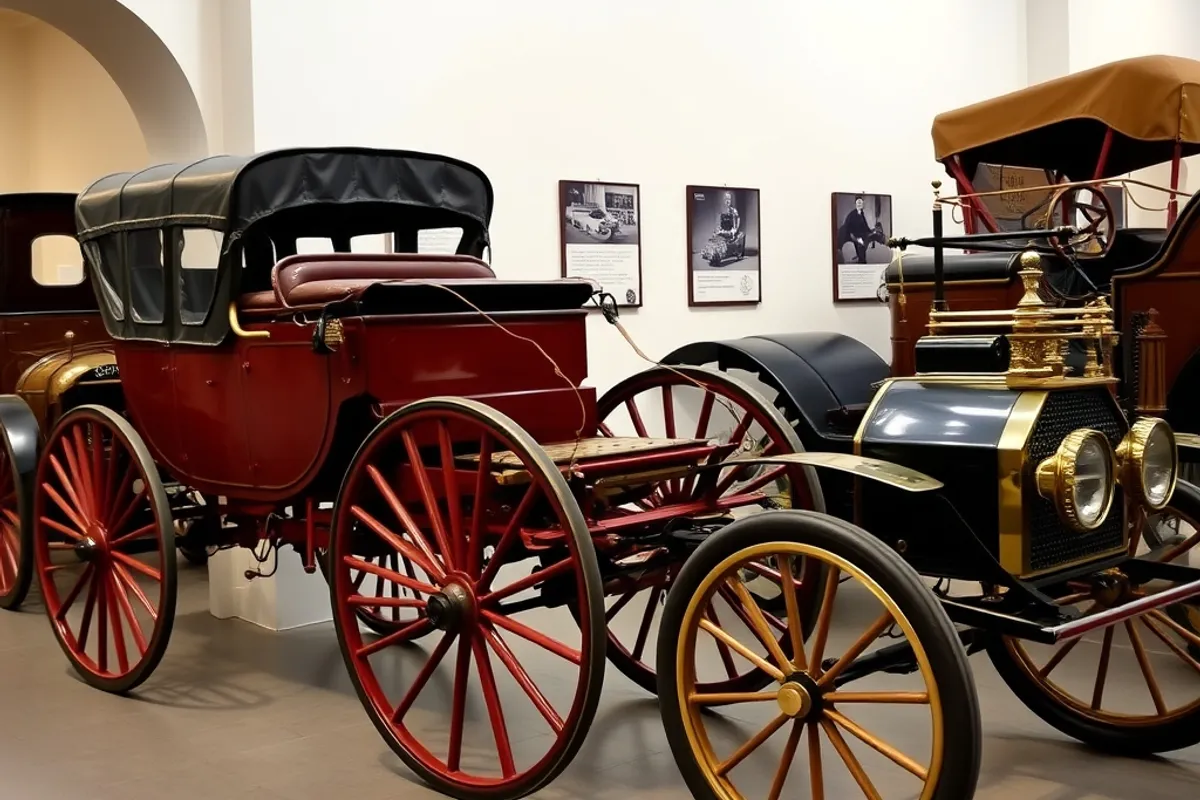
These were workshop products, assembled one at a time by skilled craftsmen. Reliability was uncertain, and every journey required mechanical knowledge from the driver.
The hand-built years
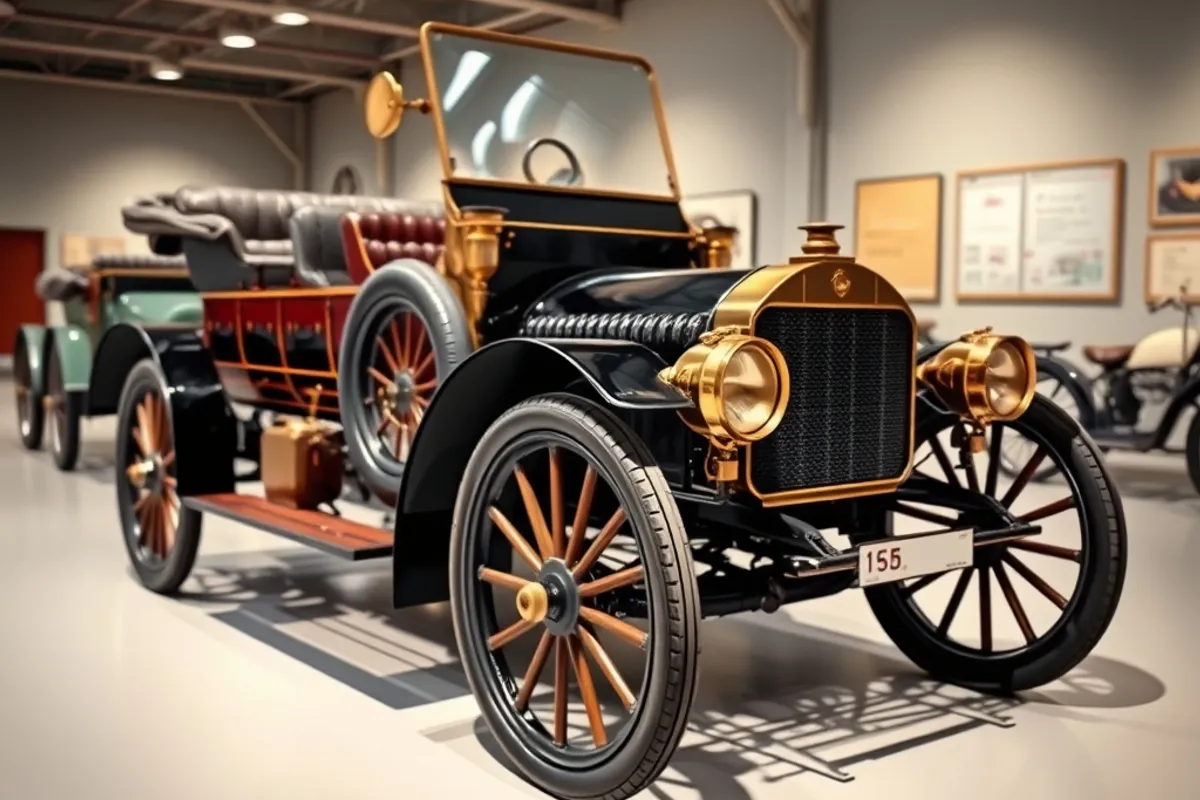
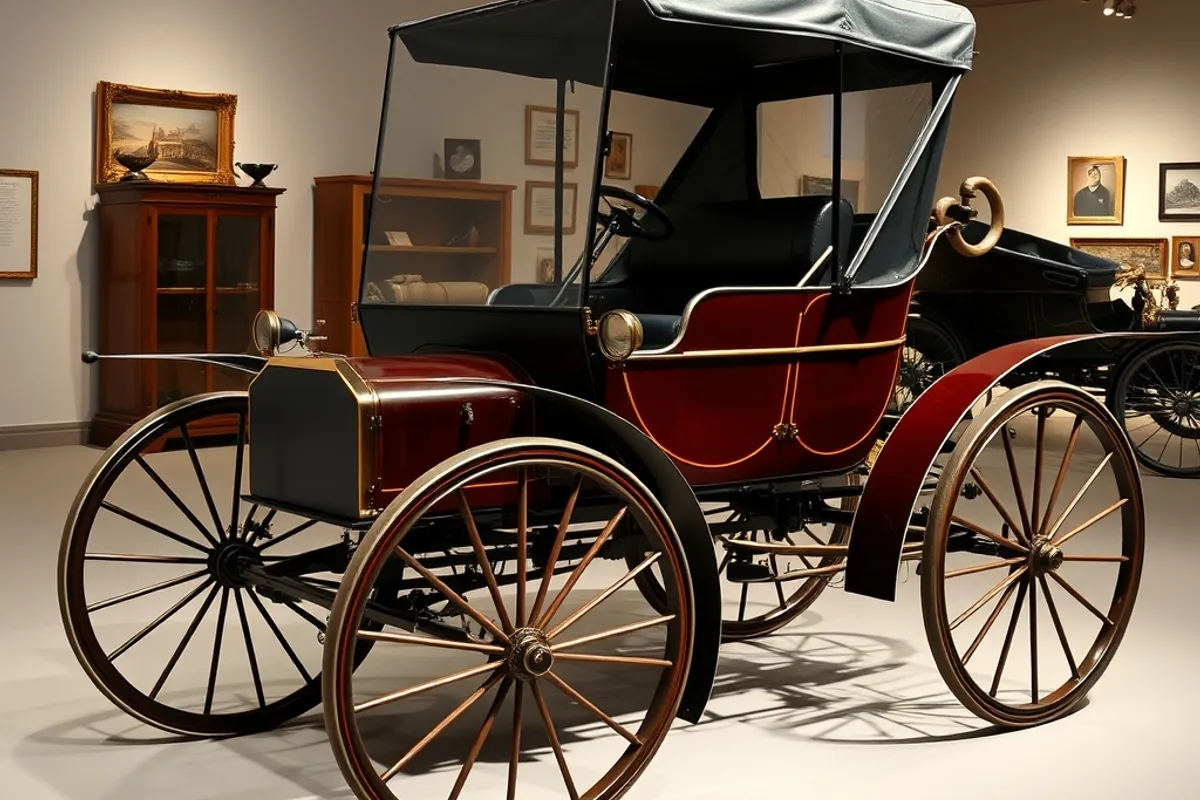
Early cars were coach-built. A chassis and engine were ordered, then a body was fitted by a carriage maker. That is why early cars look like carriages without horses, and why no two were quite identical.
Cost kept ownership to the wealthy. Drivers employed mechanics, and motoring clubs formed partly to share repair knowledge and route information.
The assembly line
Mass production changed everything. By standardising parts and moving the car along a line, manufacturers cut assembly time and price, and cars reached buyers who had never employed a mechanic.
The trade-off was uniformity. Buyers got fewer choices but far more reliability per pound spent, and the used-car market began to make sense.
The motor car did not replace the horse because it was faster. It replaced the horse because it became ordinary.
Roads, fuel and signs
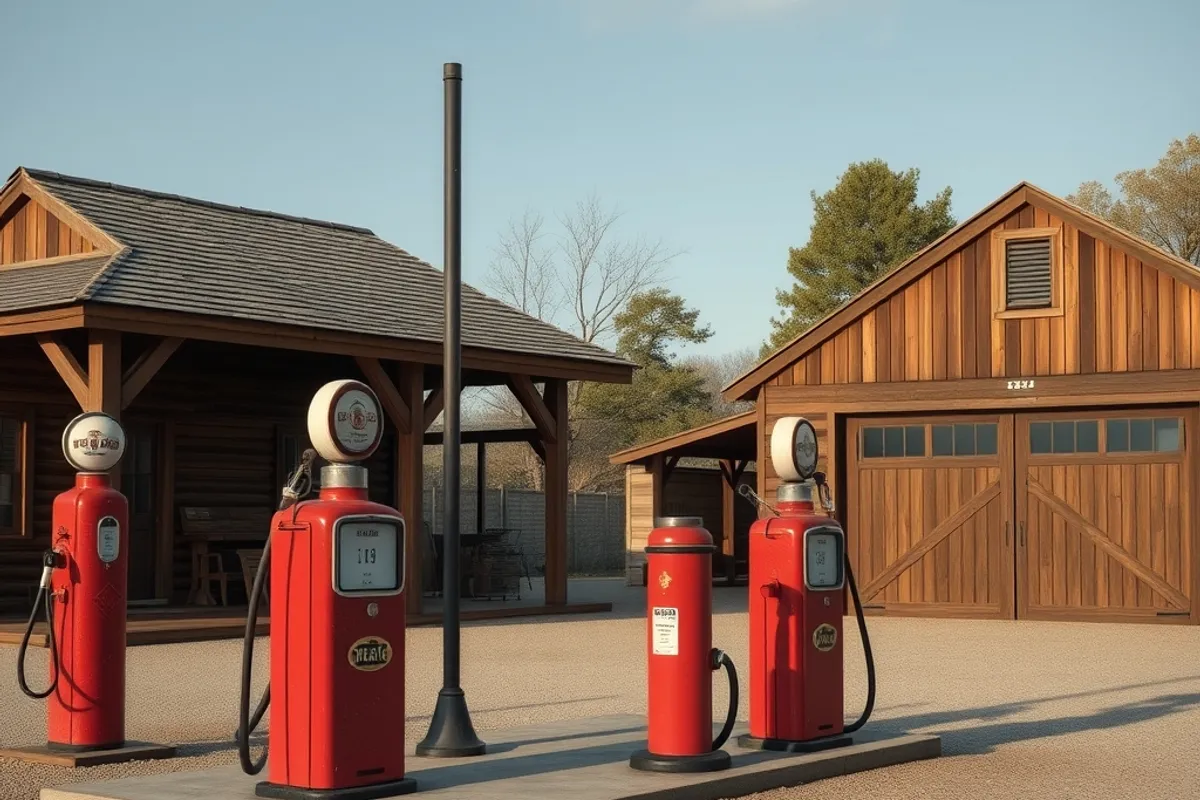
The car needed infrastructure. Fuel had to be sold in cans from pharmacies and hardware shops before filling stations existed. Road surfaces were designed for horses and wagons, not pneumatic tyres.
Licensing, speed limits, driving tests and road signs arrived unevenly, town by town. Many early rules were written for bicycles and simply extended to cars.
What early drivers complained about
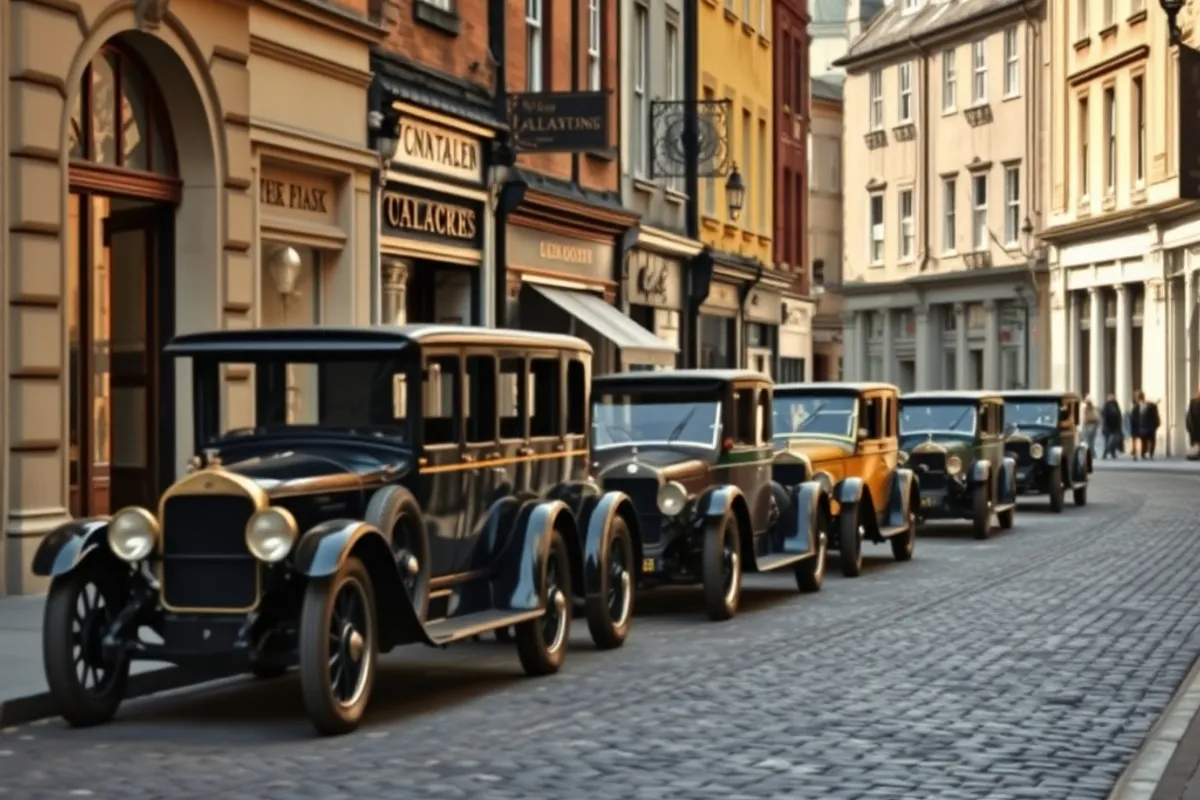
Contemporary accounts complain about dust, noise, cold, and the sheer effort of starting an engine by hand. Tyres punctured often, and spare tubes were essential equipment.
The complaints will sound familiar to anyone who has owned an older car: poor visibility in rain, weak lights, and repairs that cost more than expected.
What carried forward
Three pedals, a wheel, a gear lever and a dashboard in front of the driver all survive from this period. So does the idea of a car as a personal object rather than shared transport.
Understanding that inheritance makes the modern cabin easier to read. Our dashboard technology history follows the board from a mud shield to the digital display.