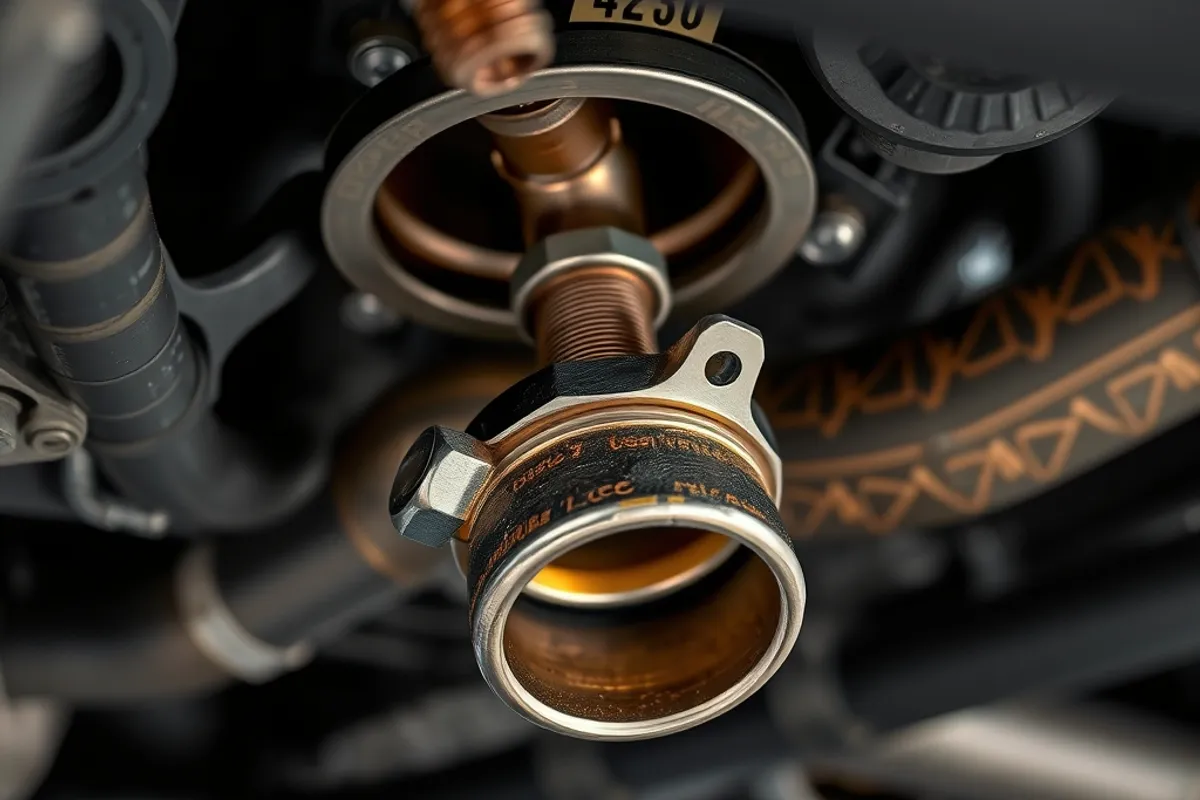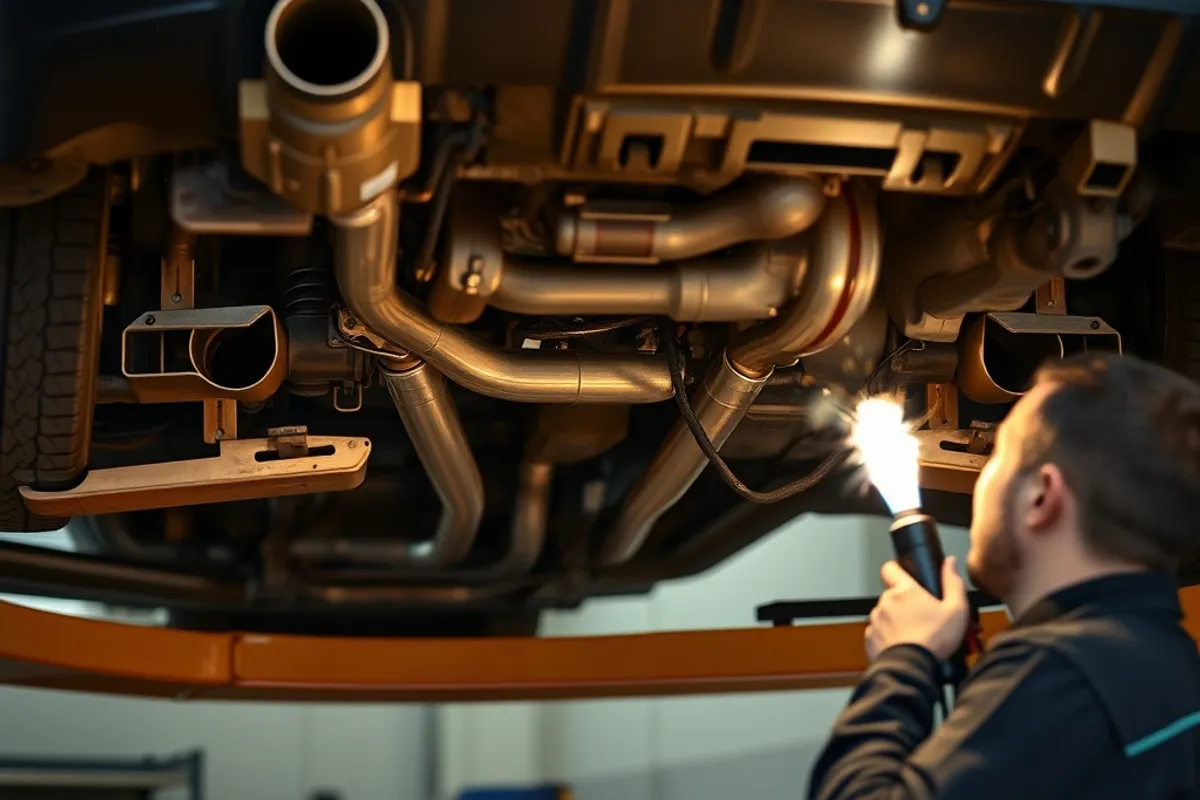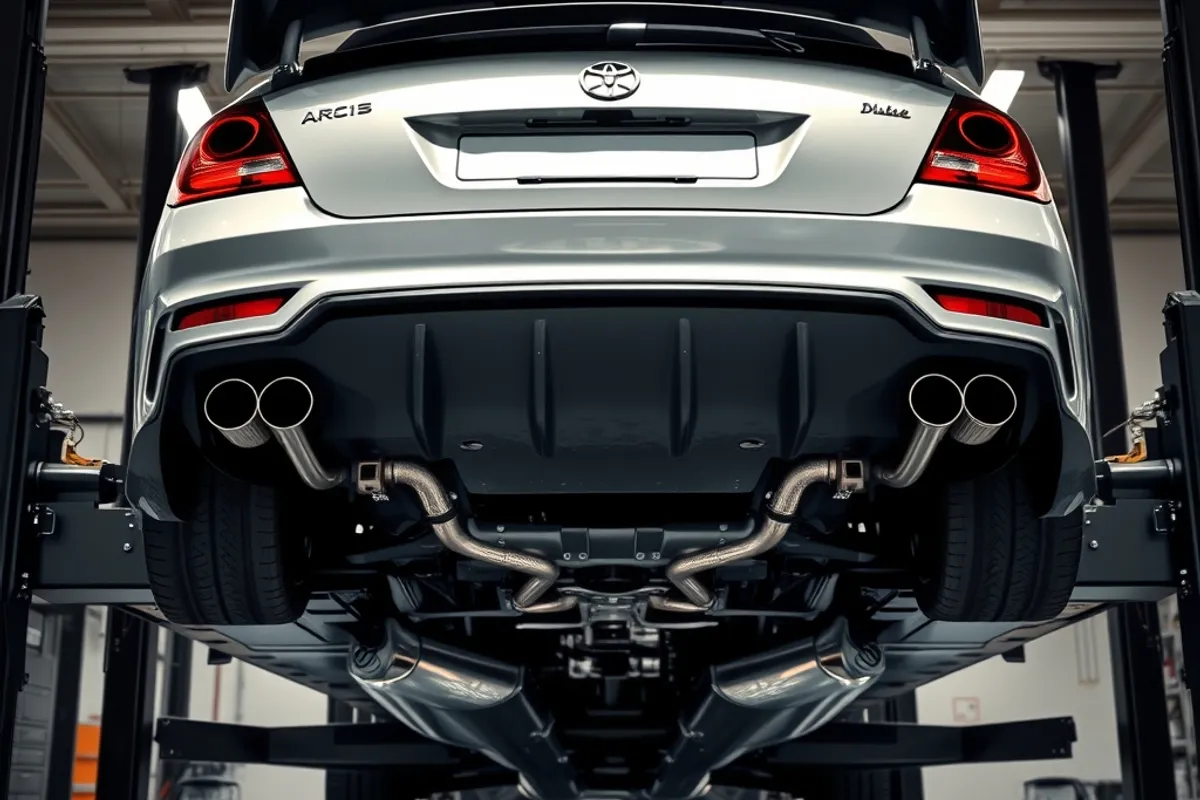
A cat-back exhaust is the most popular first modification on almost any car, and the one most often misunderstood. It replaces everything behind the catalytic converter: pipework, resonator and rear silencer. The converter and the rest of the emissions system stay untouched.
That makes it a relatively safe change, but not a free one. Sound, drone, materials and local noise rules all decide whether you end up with a car you enjoy or one you apologise for on every cold start.
Key facts
- A cat-back system starts behind the catalytic converter, so emissions hardware is untouched.
- Stainless steel costs more but outlasts aluminised steel in salted winters.
- Louder is not automatically freer-flowing; pipe diameter and bends matter more than volume.
- Noise limits are enforced locally, and a failed inspection means refitting the original.
Contents
- What a cat-back system actually changes
- Sound: tone, drone and your neighbours
- Materials: mild steel, aluminised and stainless
- Flow and backpressure, honestly
- Fitment, hangars and clearance
- Legal noise and emissions limits
- Buying and fitting checklist
What a cat-back system actually changes
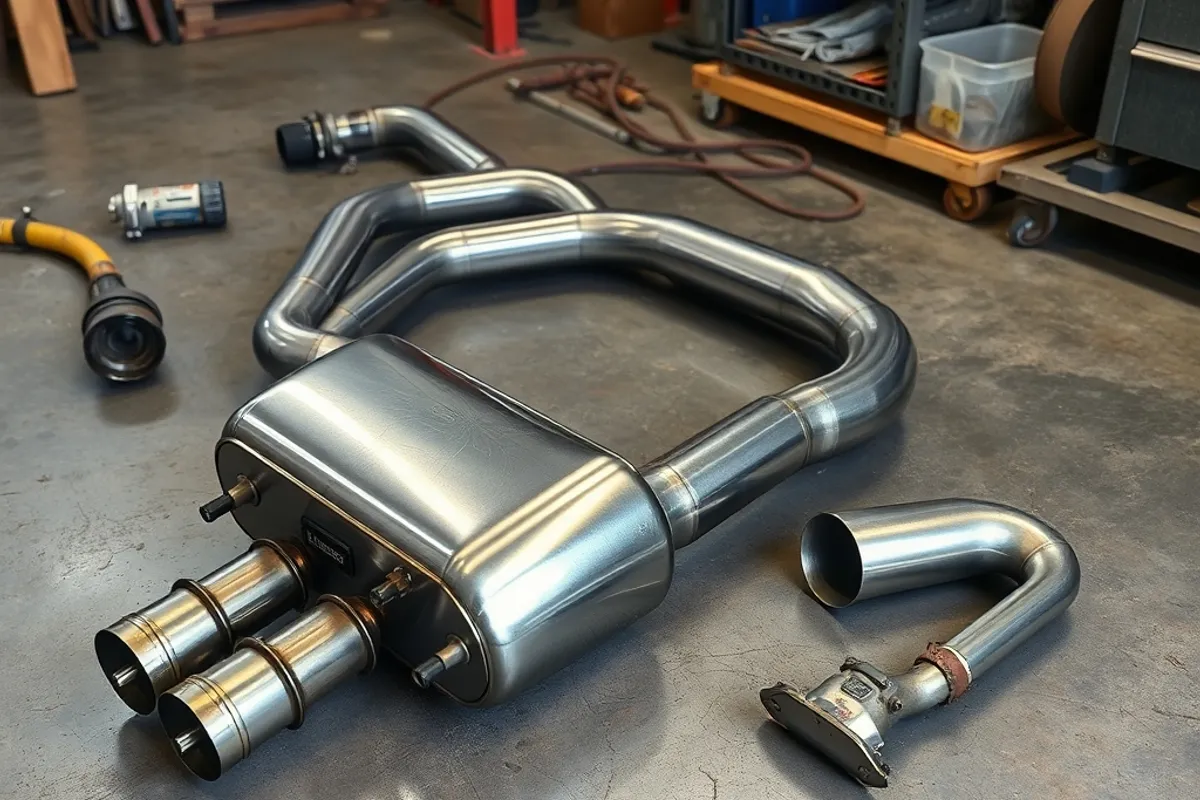
The system bolts on behind the converter and runs to the tailpipe. On most cars that means a mid-pipe, a resonator to tune out harsh frequencies, and a rear silencer. Because the converter stays, the change is legal in most places as long as noise and emissions rules are met.
What changes is the character of the exhaust note and, marginally, the restriction in the rear half of the system. What does not change is the engine tune, which is why a cat-back alone rarely delivers a big power gain.
Sound: tone, drone and your neighbours
Exhaust sound has three parts: volume at idle, tone under load and drone at cruising speed. Drone is the low-frequency resonance that fills the cabin between roughly 60 and 80 mph, and it is the reason many owners refit the standard system within a year.
A resonator is there to kill drone. Systems that delete it sound dramatic on a short drive and exhausting on a long one. If you commute on a motorway, keep the resonator or choose a system with a Helmholtz chamber.
Materials: mild steel, aluminised and stainless
Aluminised steel is the common original-equipment choice. It resists heat well and corrodes from the inside out, which is why original exhausts often fail quietly at a seam. Mild steel is cheapest and shortest lived.
Stainless steel, usually 304 grade, is the default for aftermarket kits. It costs more up front and lasts far longer in a salted climate. Check the grade and the wall thickness, not just the word stainless on the box.
Flow and backpressure, honestly
An engine needs exhaust gas to leave quickly, and it needs some scavenging effect to help cylinders fill. Fitting a pipe that is far too large slows gas velocity and can cost low-end torque, especially on a small naturally aspirated engine.
For most road cars a modest diameter increase with smooth mandrel bends is the sensible choice. Ask for the pipe diameter in millimetres and compare it with the standard system before you agree to buy.
Most buyers choose an exhaust by sound clip and regret it by the first motorway trip. Drive the car, not the video.
Fitment, hangars and clearance
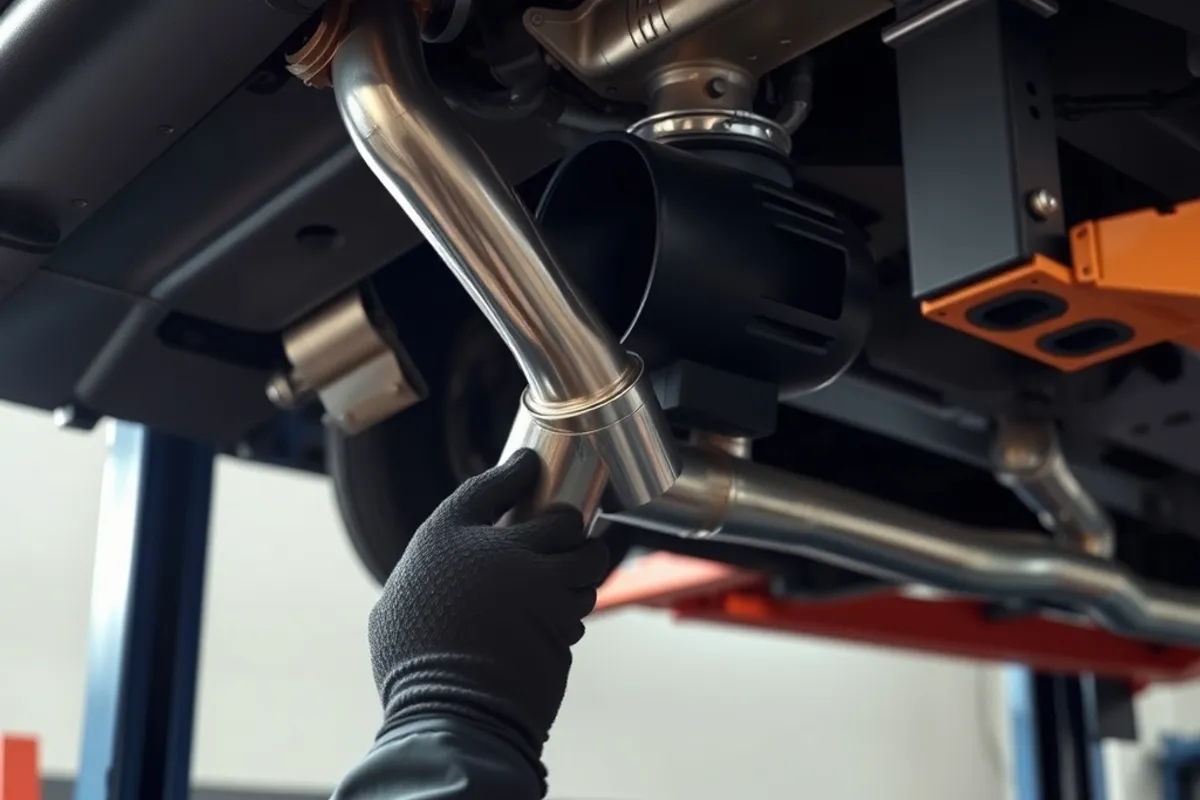
Aftermarket systems vary in how well they follow the original routing. Poor fitment shows up as rattles over speed bumps, a tailpipe touching the bumper, or a joint that blows within a month.
Replace worn rubber hangars at the same time. They are inexpensive and they are the usual cause of a knock that gets blamed on the new exhaust. Check clearance around the fuel tank, rear axle and heat shields before the car comes off the lift.
Legal noise and emissions limits
Emissions compliance depends on the converter and sensors, which a cat-back leaves alone. Noise is a separate matter and is usually enforced through construction-and-use rules, roadside checks or periodic inspection.
Keep the original system. If a test fails or a neighbour complains formally, refitting the standard exhaust is the fastest way back to compliance. For the emissions side, see the EPA guidance on vehicle emissions testing.
Buying and fitting checklist
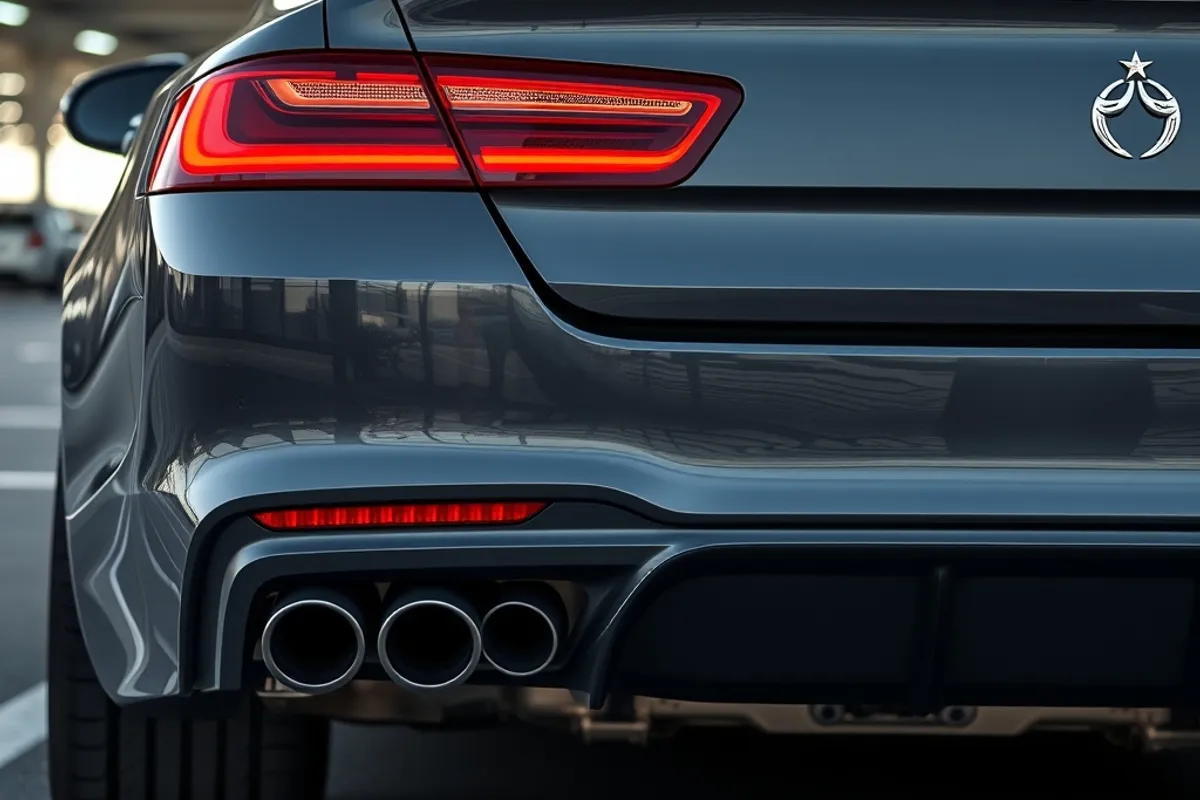
Confirm material grade and thickness, pipe diameter, whether a resonator is included, and whether the kit reuses factory mounting points. Ask for a sound clip recorded inside the cabin at cruising speed, not just a revving video.
Budget for fitting and for new gaskets and hangars. If the car is older, inspect the flange behind the converter first: a rusted flange turns a bolt-on job into a welding job. Our guide to exhaust leaks and rust covers what to look for underneath.