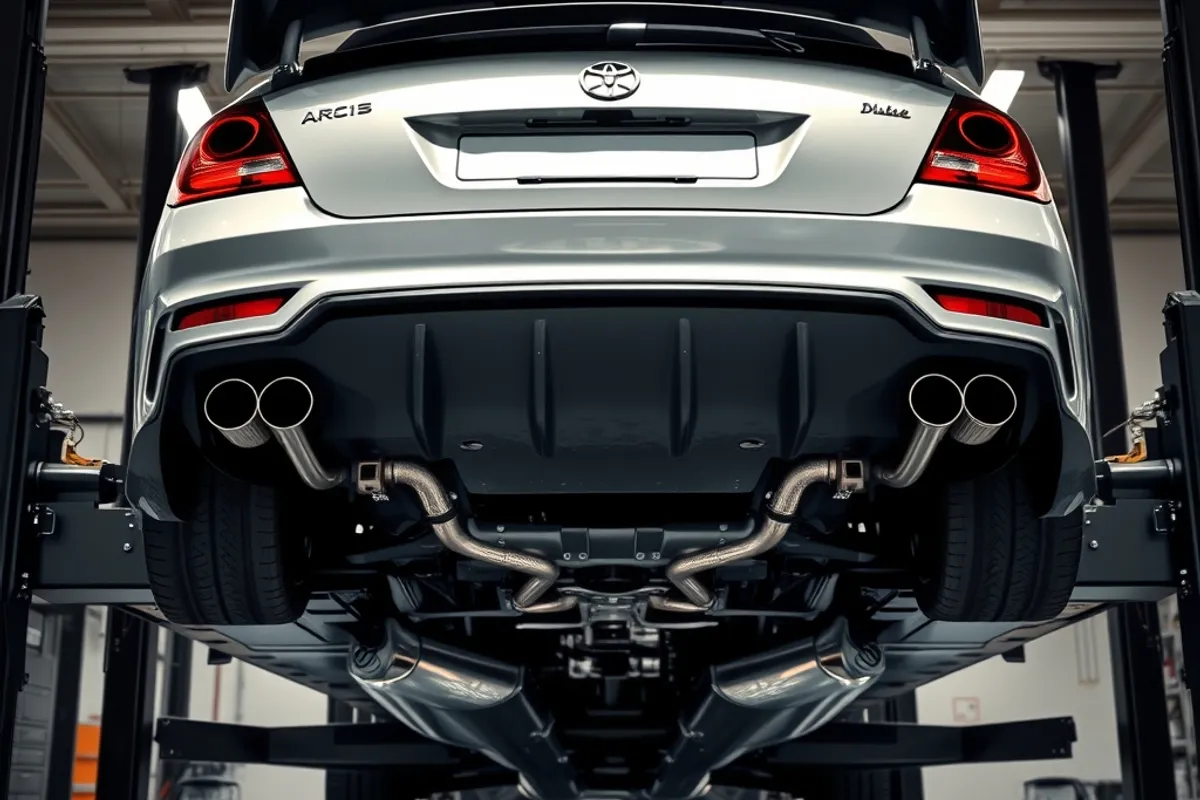
Exhaust systems fail quietly. A small blow at a joint sounds like a faint tick at first, then becomes a drone, then a roar. By the time most drivers notice, the rust has usually spread to a flange or a silencer seam.
Catching it early is worth real money. A gasket and a clamp cost a fraction of a full rear section, and an untreated leak can put carbon monoxide into the cabin.
Key facts
- A ticking that speeds up with the engine usually means a blown gasket or cracked manifold.
- Rust attacks seams, hangers and the rear silencer first, not the straight pipe.
- Exhaust leaks can let carbon monoxide into the cabin; treat a strong smell as urgent.
- Patching is a short-term fix; welding or replacement is the durable answer.
Contents
- Early warning signs
- Why exhausts rust from the inside
- Is it safe to drive?
- Patch, weld or replace
- What repairs cost in 2026
- Emissions tests and sensors
- Questions to ask the workshop
Early warning signs
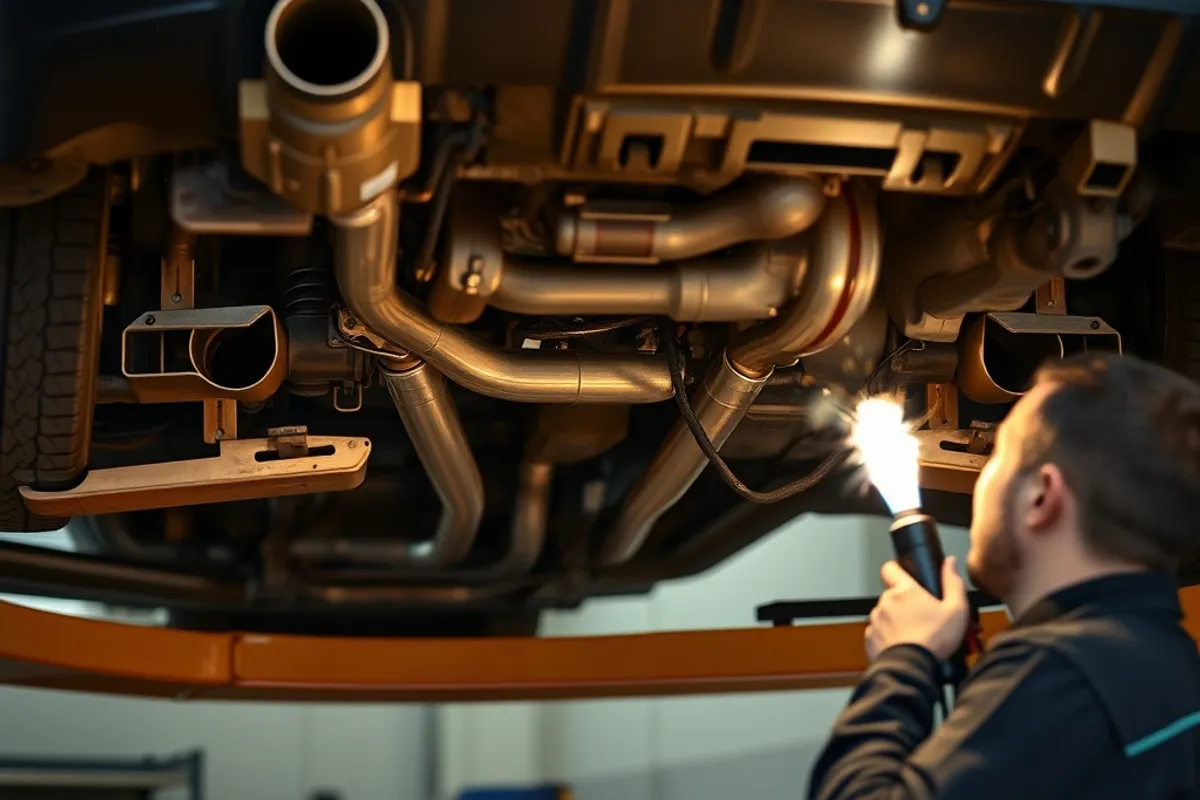
Listen cold. A tick that fades as the metal expands is a classic manifold or flange leak. A hiss under acceleration points to a cracked pipe or a failed gasket joint. A deep roar that appears suddenly usually means a section has parted.
Watch for a check-engine light with a lean or oxygen-sensor code. Air entering upstream of the sensor makes the engine read lean and can affect fuelling, which is why a small leak sometimes shows up as a running fault.
Why exhausts rust from the inside
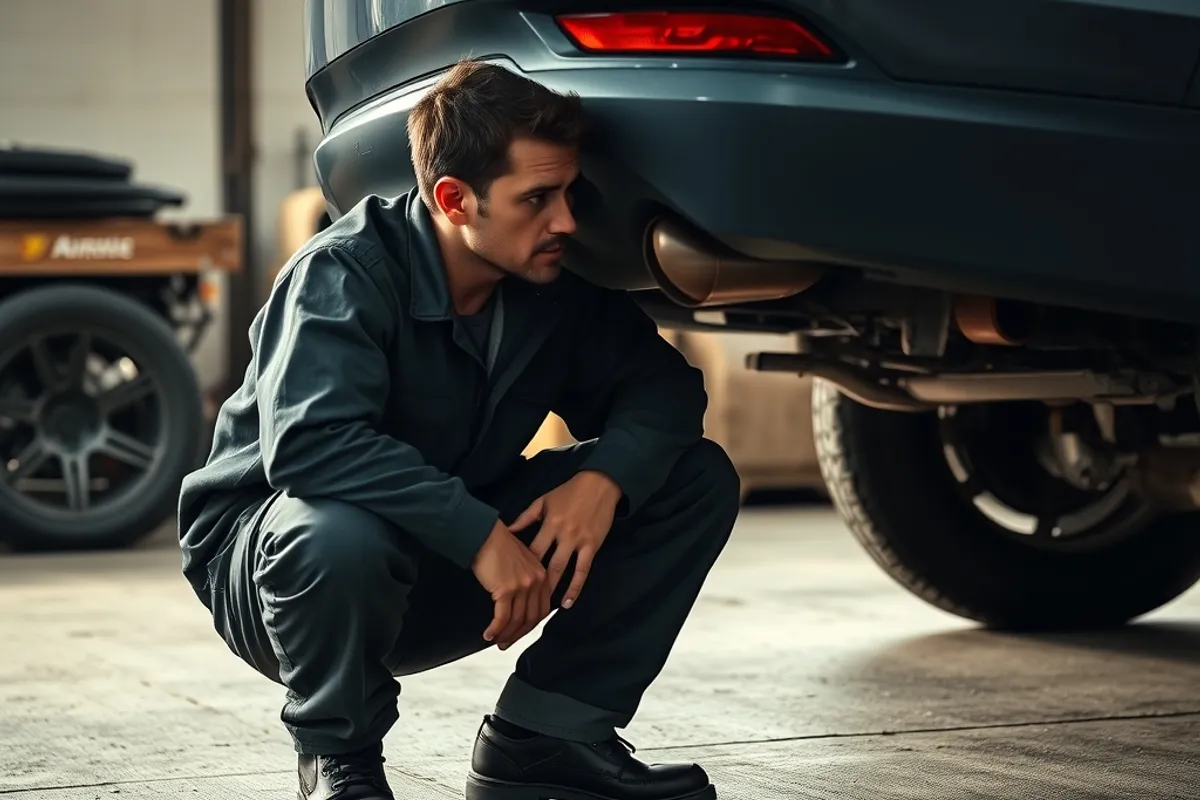
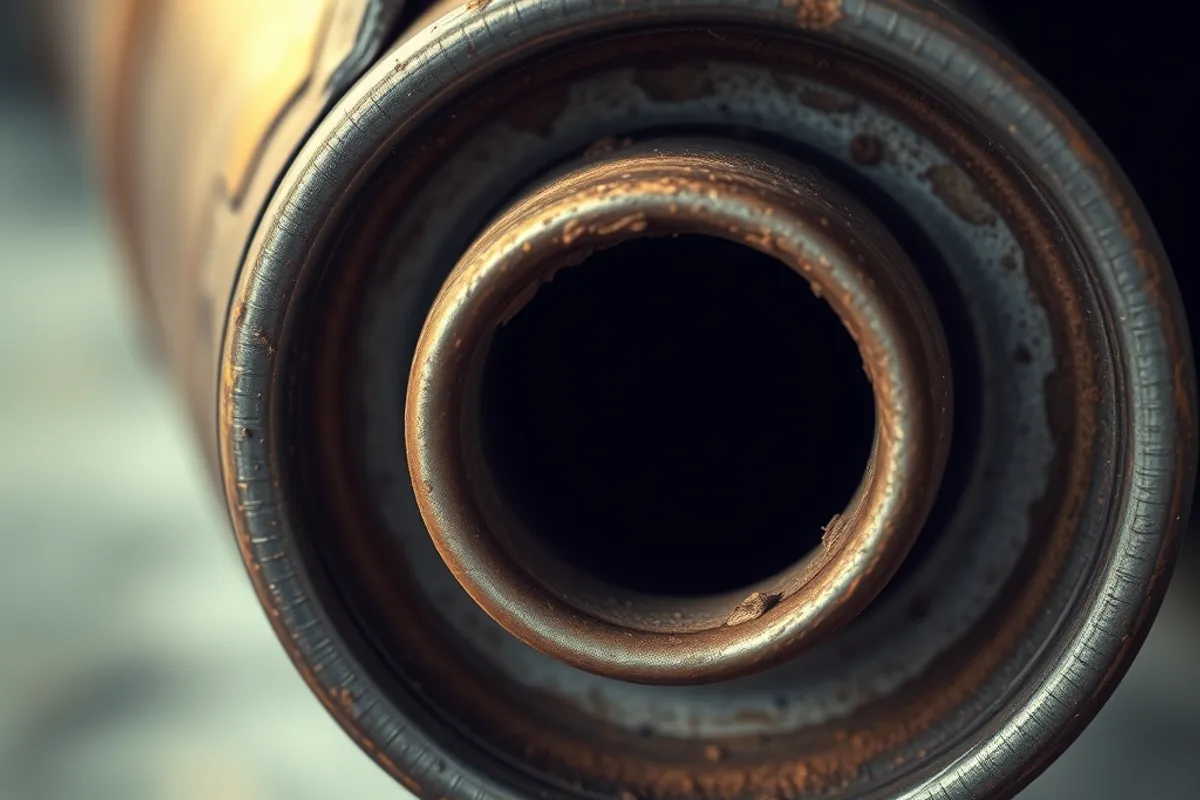
Combustion produces water vapour, and a short trip does not get the system hot enough to evaporate it. That moisture sits in the lowest point, usually the rear silencer, and corrodes it from within. Short urban journeys are harder on an exhaust than long motorway runs.
Road salt accelerates the outside attack, particularly at welds, hangers and heat-shield fixings. Cars kept outside in a wet climate often need a rear section years before the rest of the system.
Is it safe to drive?
A small blow at the rear is annoying but rarely dangerous. A leak under the floor or in the engine bay is different: exhaust gas can enter the cabin through vents and seams, and carbon monoxide has no smell to warn you.
If you feel drowsy on a long drive, smell exhaust with the windows up, or see a passenger become unwell, stop and get the system inspected. The CDC carbon monoxide guidance explains the symptoms.
Patch, weld or replace
A clamp-on patch or paste bandage is a roadside fix, not a repair. It will get you home, but heat cycling and salt will open it again within months. Use one only to reach a workshop.
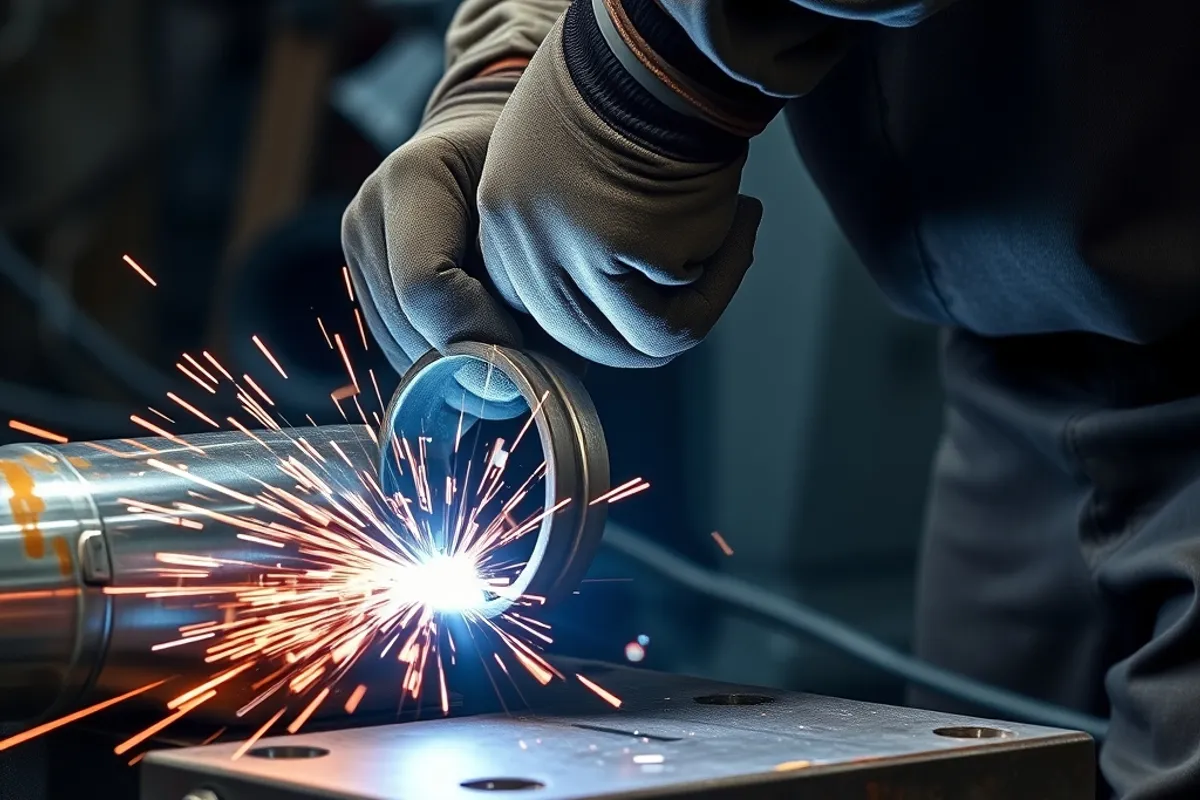
Welding is viable when the surrounding metal is sound. On a thin, lacy pipe the weld simply moves the failure a few centimetres along. Ask the workshop to show you the section before they weld it.
If you can smell exhaust inside the car with the windows up, stop treating it as a noise problem.
What repairs cost in 2026
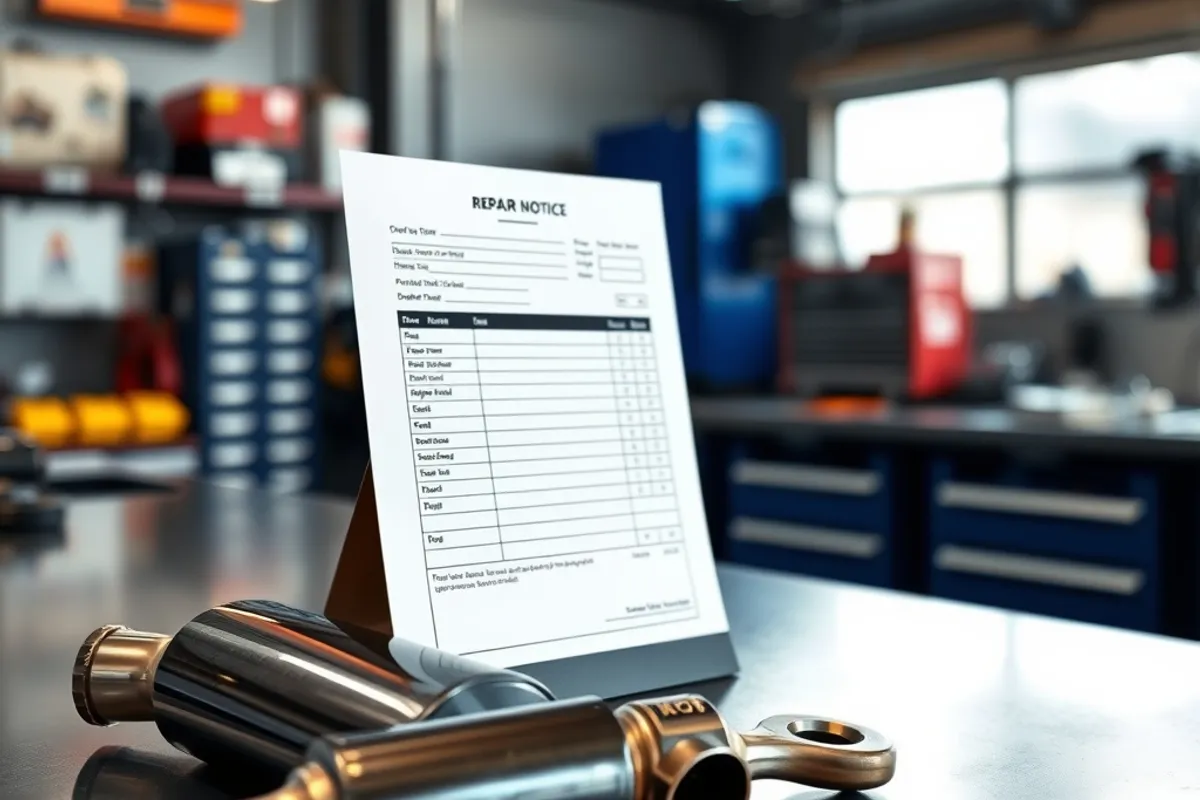
Expect a wide range: a gasket and clamp job is a small hourly charge, a welded section sits in the low hundreds, and a rear silencer or full cat-back replacement moves into four figures on newer cars with integrated sensors and hangers.
Prices vary by region and by how much of the system has to come off. Ask for a quote that separates parts, labour and consumables, and ask whether the flange behind the converter will survive being disturbed.
Emissions tests and sensors
A leak before the oxygen sensor lets air in and skews the reading, so the engine may run rich and fail an emissions test even though the converter is healthy. Fix the leak before you spend money on sensors.
Never replace a converter because of a leak symptom. Diagnose upstream first, then confirm with live data. A cheap scan tool and a smoke test will settle most arguments.
Questions to ask the workshop
Ask what exactly is being replaced, whether the flange and hangers are included, and whether the new part is aluminised or stainless. Ask for the old parts back, which keeps the diagnosis honest.
Finally, ask how long the repair is warranted and whether a road test is included. A five-minute drive at cruising speed is the quickest way to prove a drone is gone. For upgrade options, see our cat-back exhaust guide.