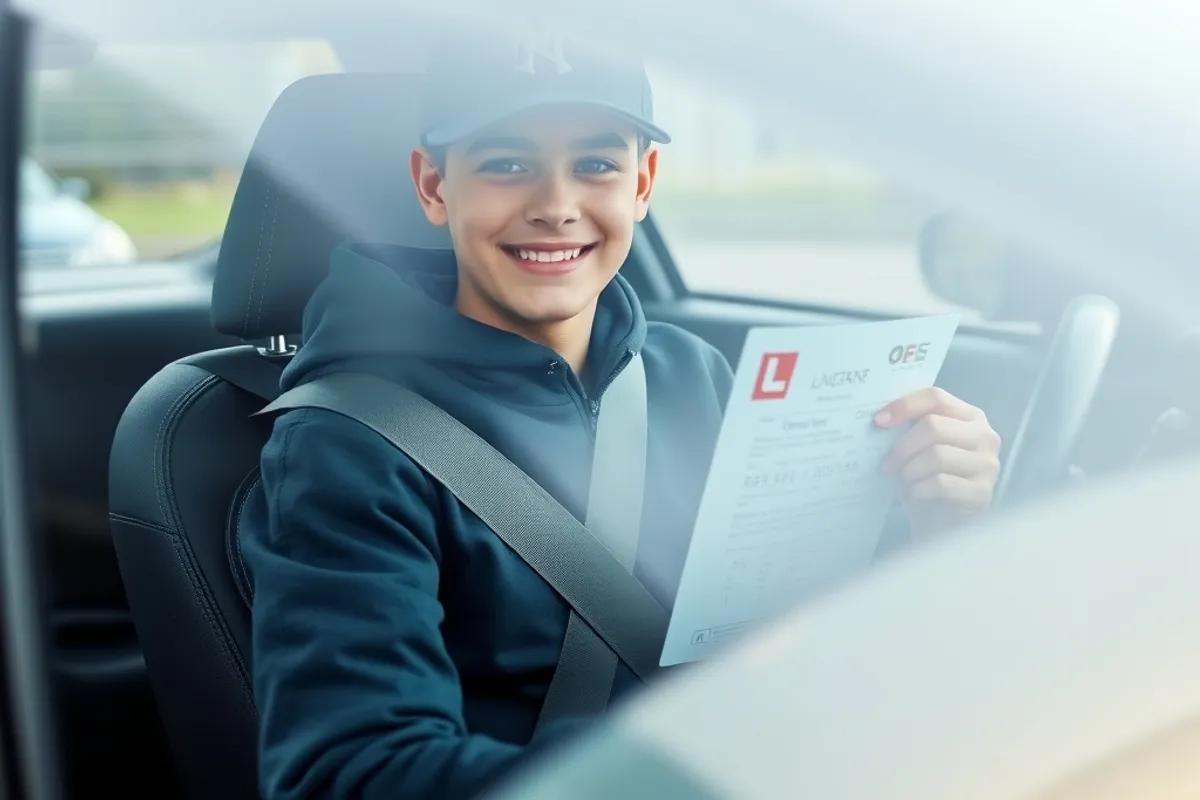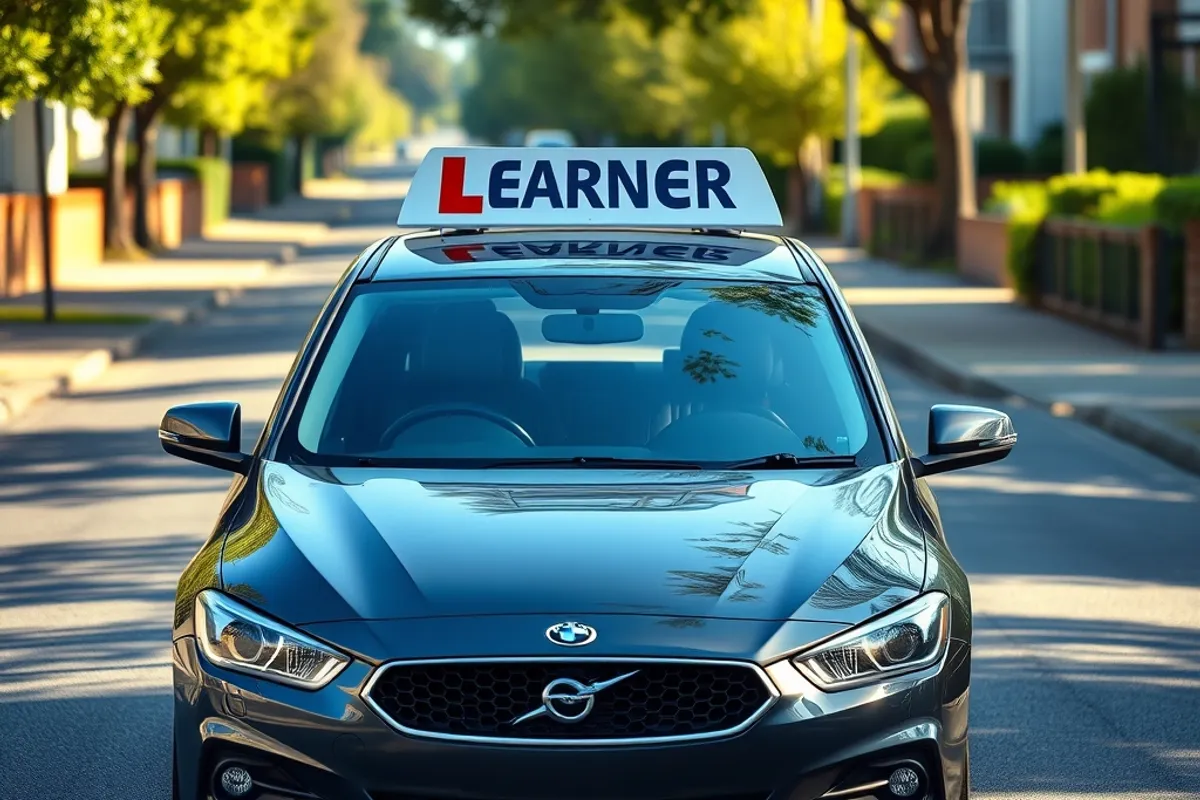
Driving lessons are one of the few purchases where the cheapest option is often the most expensive in the end. A school with a full diary, a clear syllabus and a calm instructor will usually get you to test standard in fewer hours than a bargain block of ten.
This checklist covers what to verify before you book, how to judge a first lesson, and the warning signs that mean you should change instructor rather than keep paying.
Key facts
- Ask for the instructor's licence or registration number and check it with the local authority.
- Lesson length matters: two-hour blocks suit new drivers better than rushed single hours.
- Ask how progress is recorded and whether you get a written summary.
- No school can promise a pass date; be wary of anyone who does.
Contents
- What good instruction looks like
- Licensing and insurance checks
- Lesson structure and progress records
- Manual or automatic
- Pricing: hourly, blocks and packages
- Reviews and red flags
- Your first call checklist
What good instruction looks like
Good lessons have a structure. You should know what the session is aiming at before you move off, and you should be able to say what you learned afterwards. A lesson that is simply driving around for an hour is a taxi ride with a bill.
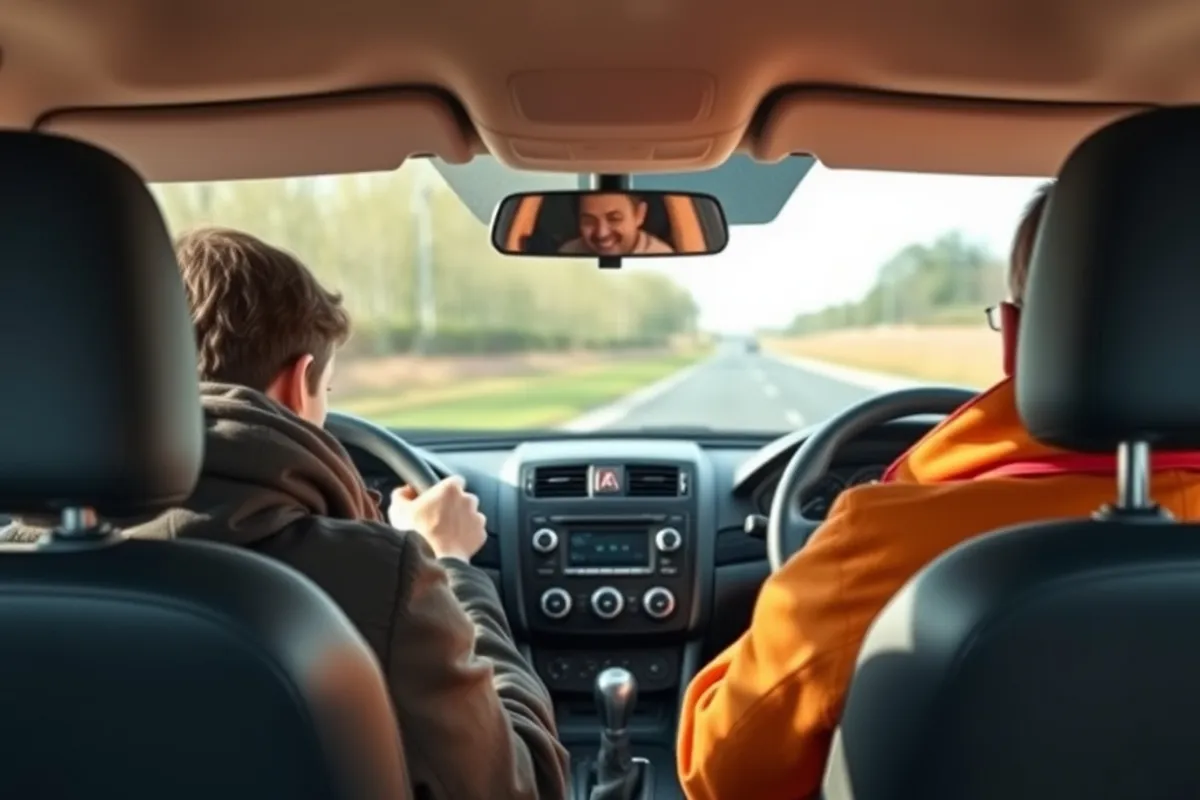
A strong instructor asks questions rather than issuing constant commands. That builds the habit of reading the road yourself, which is exactly what a test examiner looks for.
Licensing and insurance checks
Ask for the instructor's registration or licence number and verify it with the local licensing body before your first paid lesson. In the UK that means the DVSA approved driving instructor register; other countries have equivalents.
Confirm the car is insured for learner drivers and that the dual controls work. A reputable school will answer these questions without hesitation and in writing.
Lesson structure and progress records
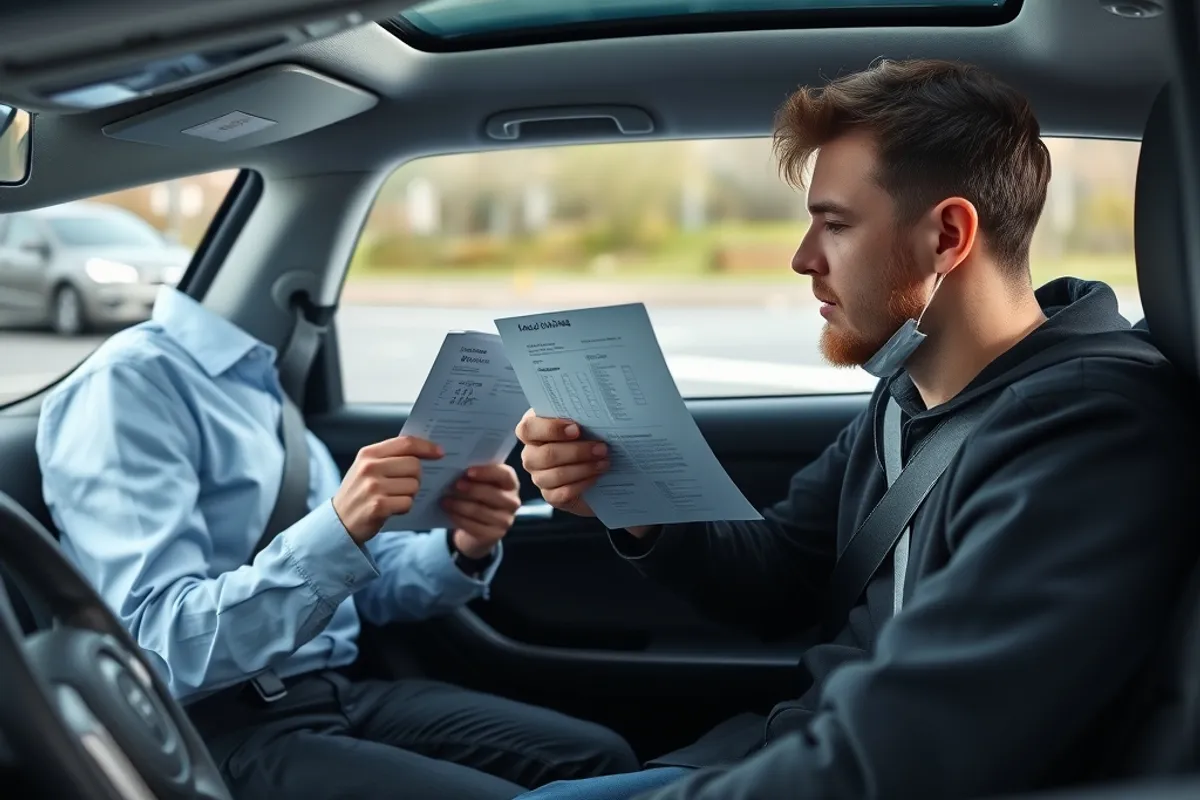
Ask how the syllabus is organised and how progress is tracked. A simple written log after each lesson makes it obvious when you are repeating the same exercise with no gain.
If your instructor cannot tell you what stage you are at and what comes next, the lessons are being planned by the hour rather than by the goal.
Manual or automatic
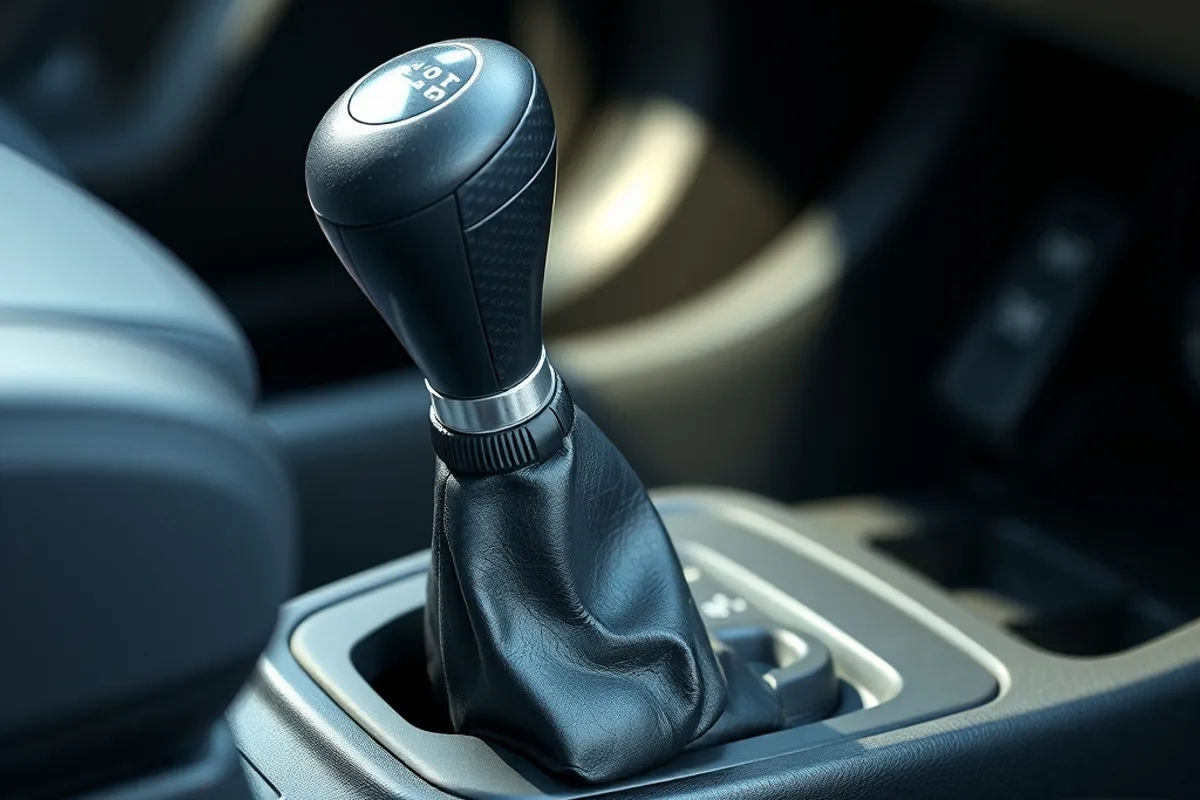
An automatic licence is faster and simpler to obtain in most places, but it restricts what you can drive. A manual licence keeps more options open, particularly for used cars and rental vehicles.
Decide before you book a block of lessons. Switching halfway usually means paying for time twice. If you plan to drive only your own automatic car, an automatic test is a reasonable choice.
The best instructor is not the one who talks most. It is the one who gets you to explain your own decisions out loud.
Pricing: hourly, blocks and packages
Compare the effective hourly rate, not the headline package. A ten-lesson block that expires in eight weeks is worth less than a flexible block at the same price.
Check what happens if you cancel, if the car breaks down, or if you need to pause. Ask whether the test fee and the use of the car on test day are included.
Reviews and red flags
Read reviews for patterns rather than star ratings. Repeated mentions of lateness, phone use or shouting are more useful than a single glowing comment.
Walk away from anyone who guarantees a pass, refuses to discuss licensing, or pressures you into a large block before a trial lesson. A single paid trial hour is the cheapest due diligence there is.
Your first call checklist
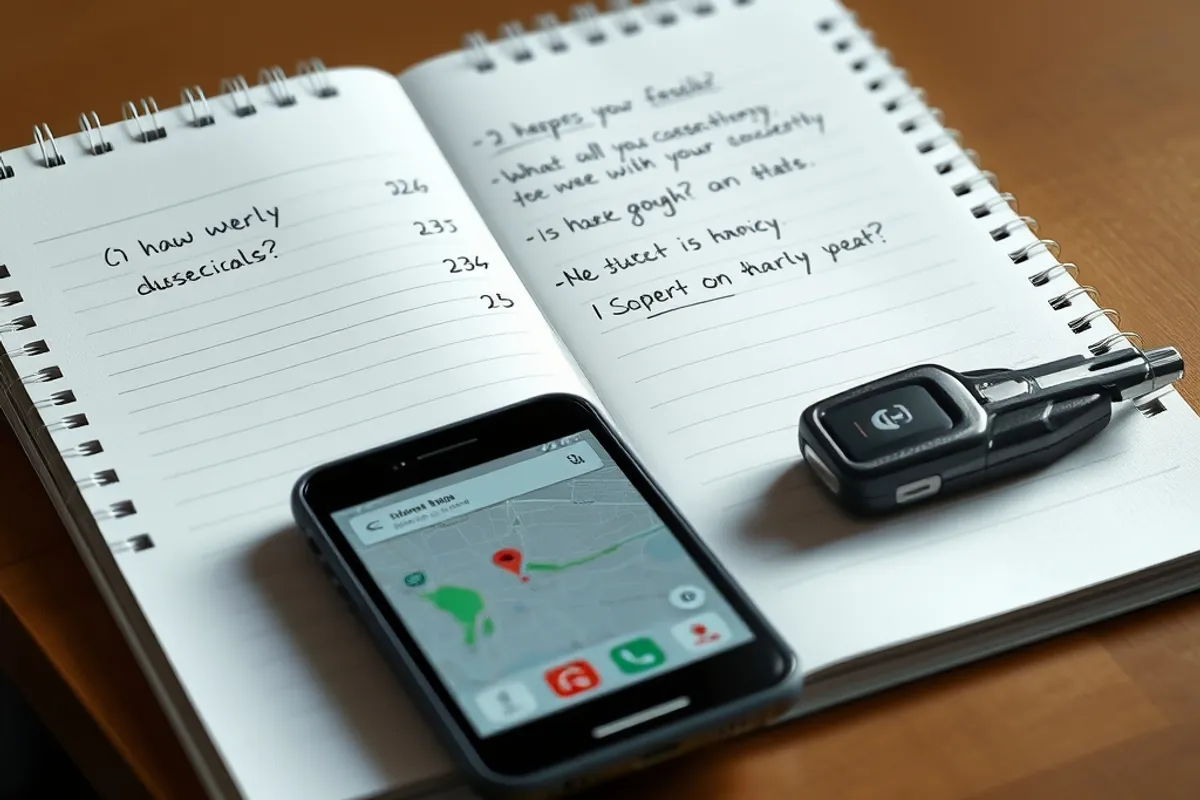
Ask five questions: how long are lessons, how is progress recorded, what car will I learn in, what is the cancellation policy, and can I book a single trial lesson first.
Write the answers down and compare two or three schools on the same basis. Our guide to your first lessons explains what a good first hour should contain, so you can judge what you get.