Nobody drives well in their first hour, and no instructor expects it. The early lessons are about building routines until they stop needing thought, so that attention can go on traffic instead of pedals.
Here is a realistic sequence of what most learners cover, roughly by week, along with what you can practise between lessons to make each paid hour count.
Key facts
- Lesson one is mostly cockpit drill, moving off and stopping safely.
- Clutch and gear control usually takes two to four lessons before it feels normal.
- Junctions and roundabouts come after basic control, not before.
- Short, frequent practice in a private car can cut total paid hours.
Contents
- Before your first lesson
- Lesson one: cockpit drill and moving off
- Lessons two and three: clutch, gears and steering
- Junction and roundabout stage
- Manoeuvres and parking
- Mock tests and readiness
- Practising between lessons
Before your first lesson
You will need a provisional licence, glasses or contacts if you need them to see a number plate at the required distance, and comfortable flat shoes. Bring the licence and any booking confirmation.
Tell the instructor about anything that affects your driving, from anxiety to medication. Good instructors adapt; they cannot adapt to information they do not have.

Lesson one: cockpit drill and moving off
The first hour usually starts with the cockpit drill: doors, seat, steering wheel, seatbelt and mirrors. Then you move off in a quiet area, stop, and repeat until the sequence is automatic.
Expect to be doing most of it yourself while the instructor talks you through it. That is deliberate. Watching someone else drive teaches you very little.
Lessons two and three: clutch, gears and steering
This is where most of the early frustration lives. Finding the biting point, changing up smoothly and steering without overcorrecting are physical skills, and they take repetition rather than explanation.
Ask to practise on gentle hills early. Hill starts are much easier to learn before you are also managing junctions and traffic.

Junction and roundabout stage
Once you can move off and stop reliably, lessons move to junctions: approach speed, observation, give-way rules and emerging safely. This is where the mirror-signal-manoeuvre routine earns its keep.
Roundabouts come next, usually at quiet ones first. Lane discipline and observation are the hard parts, not the steering. Expect to be asked why you chose a gap, not just whether you took it.
Every learner stalls. The skill is not avoiding the stall, it is restarting calmly with traffic behind you.
Manoeuvres and parking
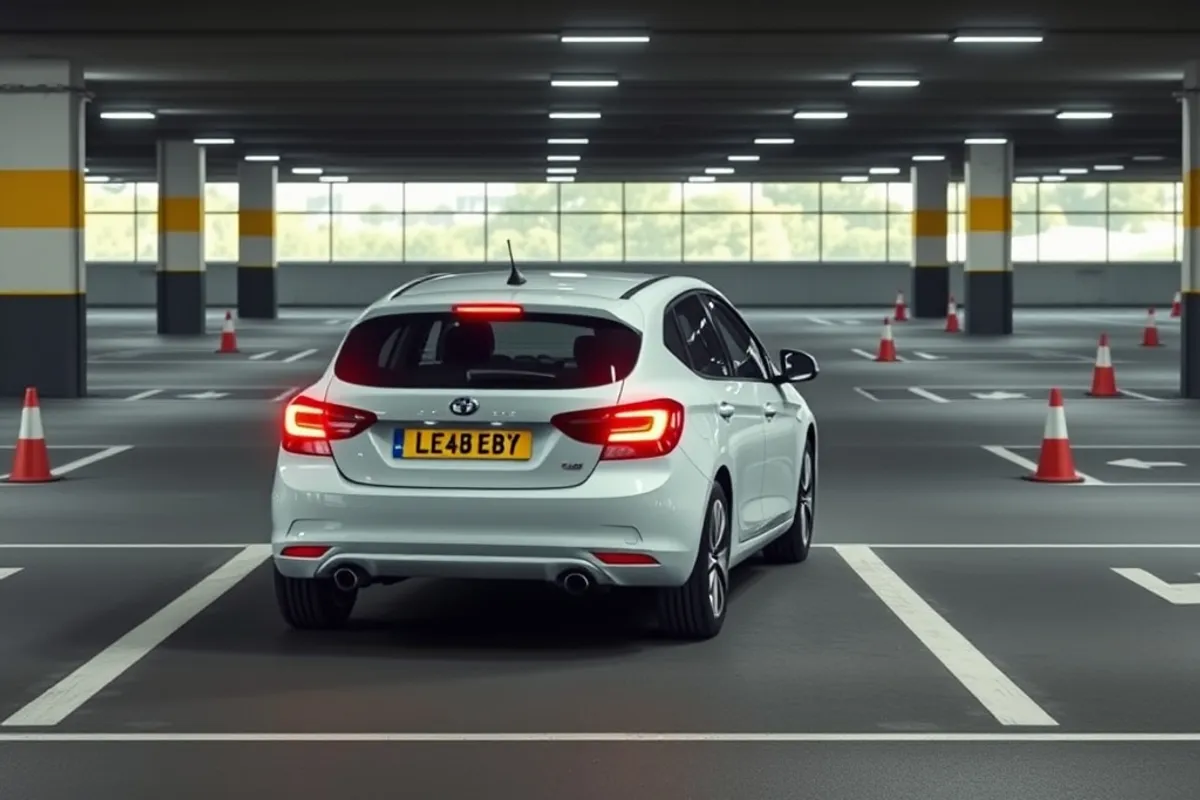
Parallel parking, bay parking and reversing usually appear once basic road driving is stable. They are taught as reference points first and judgement later, and they reward slow, deliberate movement.
Practise in an empty car park if you have access to a suitable car and a supervising driver. Ten calm minutes beats one rushed attempt in traffic.
Mock tests and readiness
A mock test should feel like the real thing: independent driving, no prompting, and an honest debrief. If your instructor has never mentioned a mock, ask for one before booking.
Readiness is not about hours logged. It is about whether you can drive for forty minutes without prompting, handle an unfamiliar route, and explain your decisions. If you cannot, more lessons are cheaper than a failed test.
Practising between lessons
Private practice in a suitable car with a qualified supervising driver is the fastest way to reduce paid hours in many countries. Short, frequent sessions beat one long weekend drive.
Keep practice to what you have already been taught, and tell your instructor what you practised. Mixing in untaught habits costs more time than it saves. See our driving school checklist for choosing the instructor who will guide that practice.