Ultimate Car Detailing Secrets: Transform Your Ride from Dull to Dazzling

Introduction & Background
Imagine stepping out of your home and seeing your car gleaming under the morning sun, its paint reflecting like a mirror, its interior so pristine it feels brand new. Car detailing is more than just a quick wash; it’s an art that combines science, precision, and passion to restore and enhance every inch of your vehicle. Whether you’re a car enthusiast, a daily commuter, or someone who simply takes pride in ownership, mastering the secrets of car detailing can transform your ride from dull to dazzling. In a world where first impressions matter, a well-detailed car doesn’t just turn heads, it tells a story of care, dedication, and excellence.
Concept & Overview
At its core, car detailing is a thorough cleaning, restoration, and finishing process that goes beyond the typical car wash. While a car wash removes surface dirt, detailing dives deep into every crevice, surface, and material to eliminate grime, restore shine, and protect against future damage. The process involves two main categories: interior detailing and exterior detailing. Exterior detailing focuses on the paintwork, wheels, tires, windows, and trim to bring back the car’s original luster, while interior detailing cleans and reconditions the dashboard, seats, carpets, and other surfaces to create a fresh, inviting space. The goal is not just cleanliness but perfection, transforming a vehicle to look and feel as close to showroom condition as possible.
Key Features & Highlights
- Deep Cleaning: Uses specialized tools and products to remove embedded dirt, dust, and contaminants from every surface, including hard-to-reach areas like air vents, door jambs, and under seats.
- Paint Correction: Involves machine polishing to eliminate swirl marks, scratches, and oxidation, restoring the paint’s clarity and depth without damaging the clear coat.
- Protection Application: After cleaning, protective sealants, waxes, or ceramic coatings are applied to shield the paint from UV rays, bird droppings, and environmental pollutants, extending the shine’s longevity.
- Interior Rejuvenation: Uses steam cleaning, leather conditioning, and fabric shampooing to remove stains, odors, and bacteria, revitalizing the cabin’s appearance and comfort.
- Odor Elimination: Specialized treatments target persistent smells from smoke, pets, or food, leaving the interior smelling fresh and clean.
- Wheel & Tire Detailing: Cleans brake dust, road grime, and old tire dressing while applying fresh protectants to enhance shine and prevent premature wear.
- Attention to Detail: Focuses on often-overlooked areas like the engine bay, exhaust tips, and door seals, ensuring every part of the vehicle is pristine.
Frequently Asked Questions / Pros & Cons
What is the difference between a car wash and car detailing?
Car wash: A quick, surface-level cleaning that removes loose dirt and grime, typically done with a hose, soap, and sponge. It’s fast and convenient but doesn’t address deep stains, scratches, or interior cleanliness.
Car detailing: A meticulous, multi-step process that cleans, restores, and protects every part of the vehicle. It’s time-consuming and requires skill, but the results are long-lasting and far more impressive.
How often should I detail my car?
The frequency depends on usage and environmental factors. For regular maintenance, a thorough detail every three to six months is recommended. If your car is exposed to harsh weather, road salt, or heavy dirt, more frequent detailing may be necessary to preserve its condition.
Can I detail my car myself, or should I hire a professional?
DIY detailing is possible with the right tools and products, but achieving professional-level results requires experience and patience. Professionals have access to advanced equipment like dual-action polishers and high-quality sealants, ensuring a flawless finish. If you’re new to detailing, start with a DIY approach for basic cleaning, then consider professional help for complex tasks like paint correction.
What are the benefits of ceramic coating?
Ceramic coating provides a hydrophobic, protective layer that repels water, dirt, and contaminants. It enhances gloss, reduces the need for frequent waxing, and offers superior UV protection compared to traditional waxes. However, it’s more expensive and requires professional application for best results.
Is leather interior detailing worth it?
Absolutely. Leather detailing involves cleaning, conditioning, and protecting the material to prevent cracking, fading, and stains. Over time, untreated leather can become dry and brittle, but regular conditioning keeps it supple and looking new. The investment in leather care pays off in both appearance and longevity.
Practical Guidance & Solutions
Ready to elevate your car’s appearance? Start with a solid foundation by choosing the right products and tools. For exterior detailing, invest in a dual-action polisher, high-quality microfiber towels, and a pH-neutral shampoo to avoid stripping wax or sealants. Begin with a thorough wash using the two-bucket method to minimize scratches, then dry the car completely to prevent water spots.
For paint correction, assess the condition of your car’s paint. If it’s heavily scratched or oxidized, consider wet sanding followed by machine polishing with a fine-grit compound. Always work in small sections to maintain consistency, and finish with a high-quality synthetic sealant or ceramic coating for long-term protection. Don’t forget the wheels and tires, use a dedicated wheel cleaner to dissolve brake dust, then apply a tire shine for a glossy finish.
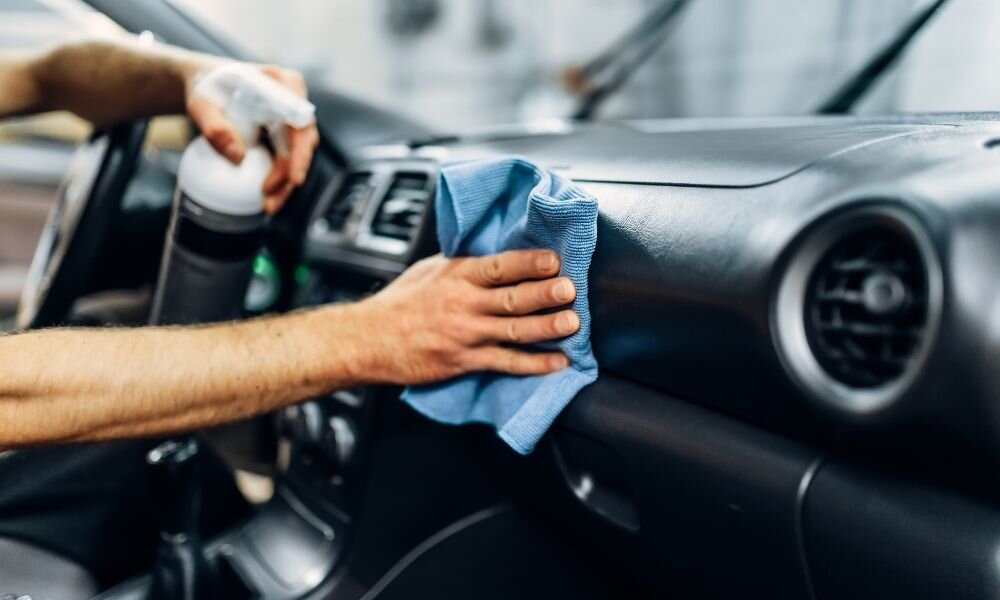
Interior detailing starts with decluttering and vacuuming to remove loose debris. For fabric seats, use a steam cleaner or fabric shampoo to lift stains, while leather seats benefit from a gentle leather cleaner followed by a conditioner to restore moisture. Pay special attention to high-touch areas like the steering wheel, gear shift, and door handles, as these often harbor the most bacteria. Use a glass cleaner and microfiber cloth for streak-free windows, and finish with a light air freshener to leave the cabin smelling inviting.
If you’re unsure where to begin, start with a basic interior clean-up and exterior wash, then gradually incorporate more advanced techniques like waxing or paint correction. Document your progress with before-and-after photos to track improvements and stay motivated. Remember, patience is key, rushing through the process can lead to streaks, swirl marks, or uneven application.
Conclusion
Car detailing is more than a chore; it’s a transformative experience that breathes new life into your vehicle. Whether you tackle it yourself or enlist the help of professionals, the results are undeniable, a car that looks showroom-ready, feels fresh, and reflects the pride you take in ownership. By understanding the core principles, investing in quality tools, and dedicating time to the process, you can unlock the secrets of detailing and enjoy a ride that turns heads wherever you go. So, roll up your sleeves, gather your supplies, and prepare to unveil the dazzling potential hidden in every inch of your car. Your ultimate shine awaits.