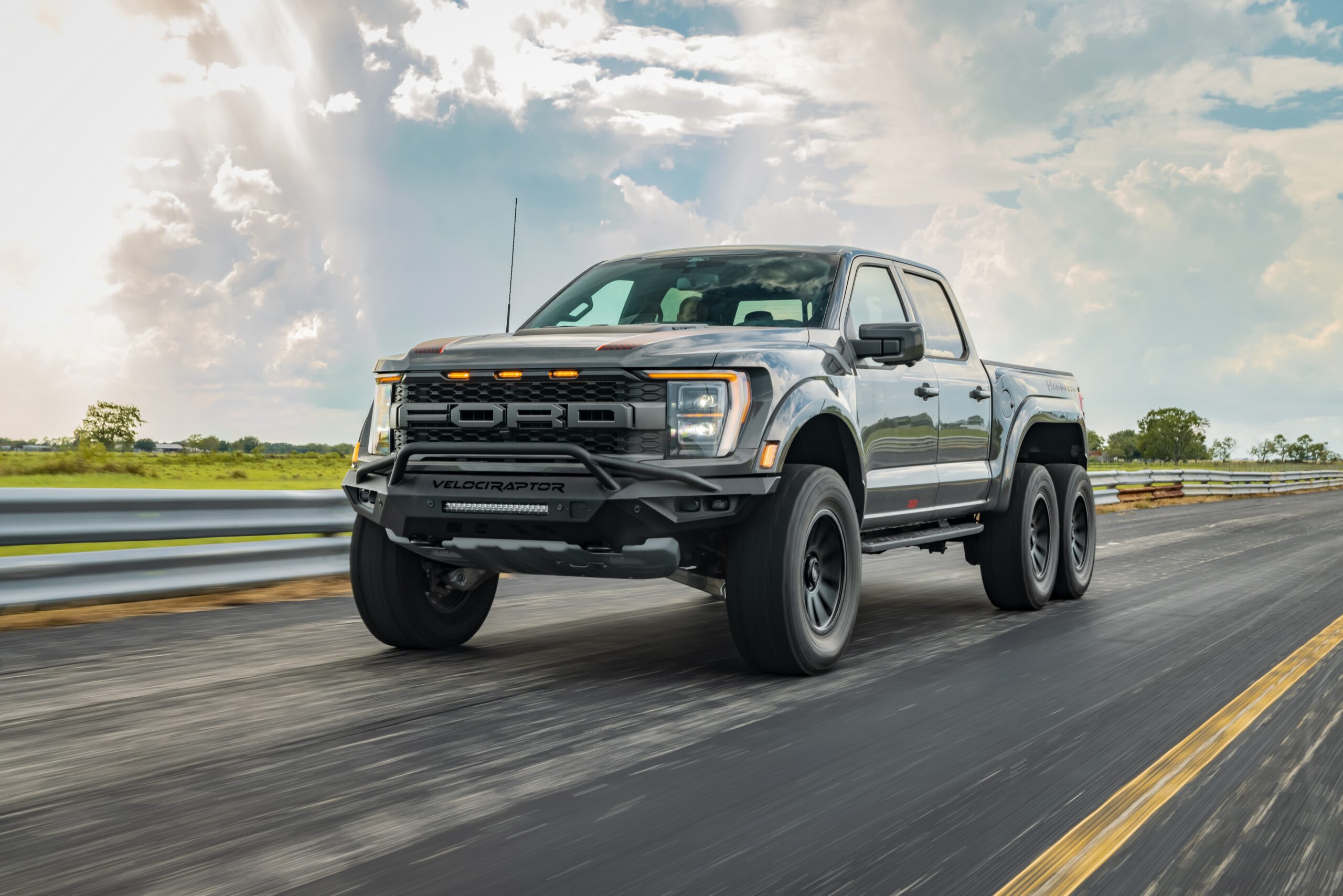
The Road Warriors: Tales of Endurance and Might from the World of Trucks

Introduction & Background
Trucks are more than just vehicles; they are the silent giants that power economies, connect cities, and move the world forward. From the bustling highways of America to the rugged terrains of Australia, trucks have carved out a legacy of endurance, strength, and relentless service. Known as the Road Warriors, these machines represent a blend of engineering marvels and human determination. They face relentless challenges, from extreme weather conditions to long hours on the road, yet they continue to deliver goods, fuel industries, and keep supply chains alive. This article explores the fascinating world of trucks, their evolution, and the stories of the people who drive them, showcasing why they are the unsung heroes of modern transportation.
Concept & Overview
The concept of trucks transcends mere transportation. They are the backbone of logistics, the lifeline of businesses, and the guardians of global trade. Trucks come in various shapes and sizes, each designed for specific roles, whether it’s hauling heavy cargo across continents or navigating tight urban streets to make last-mile deliveries. The term Road Warriors perfectly captures the spirit of these vehicles and their drivers, who exemplify resilience, adaptability, and sheer grit. Over the decades, trucks have evolved from simple flatbeds to sophisticated machines equipped with advanced technology, safety features, and fuel-efficient engines. Today, they are not just about raw power but also about sustainability, efficiency, and innovation.
Key Features & Highlights
- Power & Performance: Modern trucks are built to handle extreme loads, with engines producing thousands of horsepower and torque. Their robust chassis and reinforced frames ensure they can withstand the toughest conditions.
- Endurance & Reliability: Long-haul trucks are designed for durability, capable of covering thousands of miles without major breakdowns. Features like reinforced suspension systems and high-capacity cooling systems contribute to their reliability.
- Advanced Technology: Today’s trucks are equipped with GPS tracking, telematics, and automated driving assistance systems. These technologies enhance safety, optimize routes, and improve fuel efficiency.
- Safety Innovations: Safety is a top priority, with features like anti-lock braking systems, stability control, and collision avoidance technology becoming standard. Many trucks also incorporate driver-assist systems to reduce fatigue-related accidents.
- Fuel Efficiency: With rising fuel costs and environmental concerns, truck manufacturers are focusing on fuel-efficient engines, aerodynamic designs, and alternative fuel options like compressed natural gas and electric powertrains.
- Driver Comfort: Long hours on the road demand comfort, so modern trucks come with ergonomic cabs, climate control, advanced seating, and entertainment systems to keep drivers alert and comfortable.
- Versatility: From dump trucks to refrigerated trailers, flatbeds to tankers, trucks are designed to meet diverse transportation needs. Their adaptability makes them indispensable across industries.
Frequently Asked Questions / Pros & Cons
What makes trucks so essential to global trade?
Trucks are vital because they provide flexible, door-to-door transportation that other modes of transport, like ships or trains, cannot match. They play a critical role in last-mile delivery, ensuring goods reach their final destinations efficiently. Additionally, trucks can access remote areas where rail or air transport is not feasible, making them indispensable for rural and regional logistics.
What are the biggest challenges faced by truck drivers?
The life of a truck driver is demanding. The most common challenges include long working hours, which often lead to fatigue and health issues. Drivers must also deal with unpredictable weather, heavy traffic, and the pressure of meeting tight deadlines. Moreover, the isolation of spending weeks away from family can take a toll on mental health. Safety risks, such as accidents and mechanical failures, add to the stress.
Pros of Owning a Truck:
- High Demand: The trucking industry is always in need of reliable drivers and well-maintained vehicles, ensuring steady job opportunities.
- Good Earnings: Experienced truck drivers and fleet owners can earn substantial incomes, especially in specialized sectors like refrigerated transport or hazardous materials hauling.
- Independence: Many drivers enjoy the freedom of being on the open road, with the ability to travel and see new places regularly.
- Job Security: As long as goods need to be transported, the need for trucks and drivers will remain strong, offering job stability.
Cons of Owning a Truck:
- High Costs: The initial investment in a truck, along with ongoing expenses like fuel, maintenance, insurance, and licensing, can be substantial.
- Regulatory Hurdles: Trucking is heavily regulated, requiring compliance with safety, environmental, and hours-of-service standards, which can be complex and time-consuming.
- Physical Demands: Driving a truck for long hours can lead to health problems, including back pain, poor sleep, and stress-related issues.
- Competition: The trucking industry is highly competitive, with many independent drivers and fleets vying for contracts, which can drive down profit margins.
Practical Guidance & Solutions
How can drivers manage fatigue and stay alert on long hauls?
Fatigue is one of the biggest risks for truck drivers. To combat it, drivers should prioritize adequate rest before starting their journey and take regular breaks every few hours. Staying hydrated and eating nutritious meals can also help maintain energy levels. Many modern trucks now come with sleeper cabs that allow drivers to rest comfortably during their breaks. Additionally, practicing good sleep hygiene, such as maintaining a consistent sleep schedule, can significantly reduce fatigue.
What steps can fleet owners take to improve fuel efficiency?
Fuel costs are a major expense for trucking companies. Fleet owners can improve efficiency by investing in aerodynamic truck designs, which reduce air resistance and improve mileage. Regular maintenance, such as keeping tires properly inflated and engines tuned, also plays a crucial role. Training drivers in fuel-efficient driving techniques, like reducing idling and maintaining steady speeds, can lead to substantial savings. Exploring alternative fuels, such as biodiesel or electric powertrains, is another forward-thinking approach.
How should drivers prepare for extreme weather conditions?
Extreme weather, whether it’s blizzards, heavy rain, or scorching heat, poses significant risks for truck drivers. Preparation is key. Drivers should check weather forecasts before embarking on a journey and plan their routes accordingly. Equipping trucks with appropriate tires, such as snow chains for winter or all-terrain tires for muddy roads, is essential. Carrying emergency kits with blankets, flashlights, and first-aid supplies can be lifesaving in case of breakdowns or accidents. Regularly inspecting brakes, wipers, and heating systems ensures the truck is ready to face harsh conditions.
What are the best practices for maintaining a truck’s engine?
A well-maintained engine is the heart of a truck’s performance. Drivers and fleet owners should follow a strict maintenance schedule, including regular oil changes, air filter replacements, and coolant checks. Monitoring engine temperatures and listening for unusual noises can help detect problems early. Using high-quality fuel and additives can also improve engine efficiency and longevity. Keeping a log of maintenance activities ensures nothing is overlooked and helps in tracking the truck’s health over time.
Conclusion
The world of trucks is a testament to human ingenuity, endurance, and the relentless drive to overcome challenges. From the dusty backroads to the gleaming highways, Road Warriors continue to shape the way we live, work, and connect. They are not just machines; they are symbols of resilience, adaptability, and unwavering commitment to getting the job done. As technology advances and the demand for efficient transportation grows, the role of trucks will only become more critical. Whether it’s the roar of a diesel engine on a long-haul journey or the quiet hum of an electric truck making city deliveries, the spirit of the Road Warriors lives on. So, the next time you see a truck on the road, take a moment to appreciate the stories of endurance and might behind it.