The Art of Sparkling: Master Your Car’s Inner & Outer Glow

Introduction & Background
Every car enthusiast knows that a pristine, sparkling exterior and a gleaming interior do more than just turn heads. They reflect pride of ownership, attention to detail, and a commitment to excellence. The art of sparkling your car’s inner and outer surfaces is not merely about aesthetics. It’s about preserving your vehicle’s value, enhancing your driving experience, and elevating your personal satisfaction. Whether you are a weekend car show participant or a daily commuter, mastering the art of car cleaning transforms a routine task into a rewarding ritual.
In an era where first impressions matter, your car serves as a mobile statement. A well-maintained vehicle communicates professionalism, care, and respect. But achieving that mirror-like shine requires more than just soap and water. It demands knowledge, the right tools, and a methodical approach. This guide explores how to master both the inner and outer glow of your car, ensuring every surface reflects the best version of your automotive pride.
Concept & Overview
The art of sparkling your car revolves around three core principles: cleanliness, protection, and enhancement. Cleanliness involves removing dirt, grime, and contaminants from all surfaces. Protection means applying products that shield your car from future damage, such as UV rays, oxidation, and wear. Enhancement focuses on bringing out the natural brilliance of your car’s materials, whether it’s paint, leather, chrome, or glass. Together, these principles form the foundation of a comprehensive car detailing routine.
Sparkling your car is not a one-time event but a continuous process. It begins with a thorough wash to remove loose debris, followed by decontamination to eliminate bonded impurities. Next comes polishing to restore clarity and smoothness to the paint, and finally, protection with sealants or waxes. For the interior, vacuuming, cleaning, and conditioning materials like leather, vinyl, and plastics ensure a fresh, inviting cabin. Understanding this structure helps you appreciate why each step is essential to achieving a showroom shine.
Key Features & Highlights
- Exterior Cleaning: Start with a high-quality car shampoo and a two-bucket wash method to avoid swirl marks. Use a grit guard in each bucket to trap dirt and prevent recontamination. Microfiber wash mitts and soft drying towels are essential to preserve the paint’s finish.
- Decontamination: Clay bars or clay mitts remove embedded contaminants like tar and industrial fallout that washing cannot eliminate. This step prepares the surface for polishing and ensures a flawless finish.
- Paint Correction: Polishing compounds and pads work to remove minor scratches and oxidation, restoring depth and gloss. Compounds are more abrasive, while polishes refine the surface. Always follow up with a fine polish for a smooth, mirror-like shine.
- Protection Layers: Sealants and waxes provide long-lasting and temporary protection respectively. Ceramic coatings offer the most durable barrier, resisting water, dirt, and UV damage for years. Choose the right product based on your car’s needs and your detailing goals.
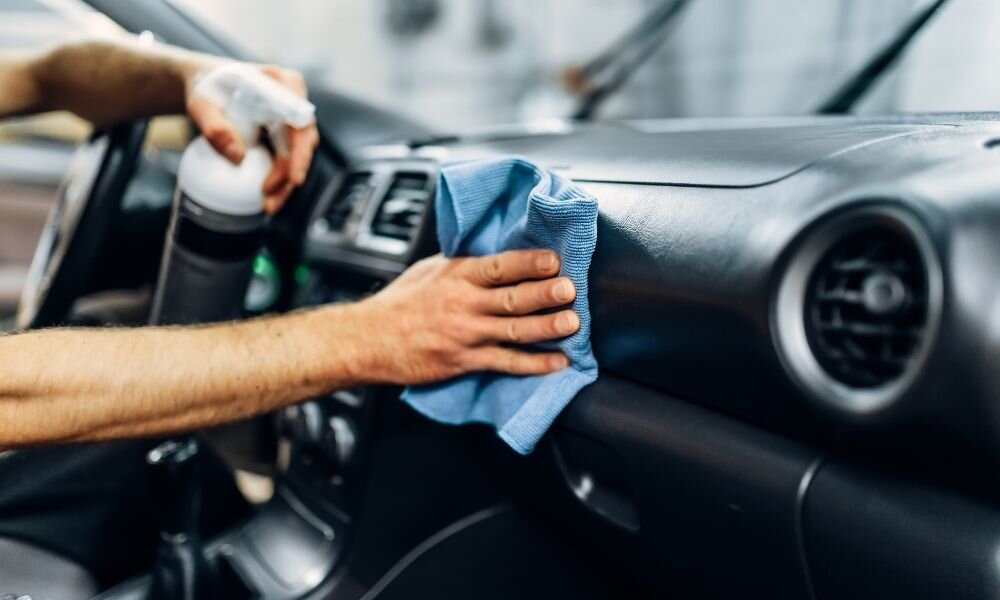
- Interior Detailing: Vacuum carpets and seats thoroughly, then clean surfaces with appropriate products for leather, vinyl, and plastics. Use a steam cleaner for deep cleaning and a leather conditioner to prevent cracking. Glass cleaners free from ammonia keep windows streak-free.
- Odor Elimination: Odors from food, pets, or smoke can linger in the cabin. Ozone generators and enzymatic cleaners effectively break down odor molecules, leaving the interior fresh and pleasant.
- Wheel & Tire Care: Wheels accumulate brake dust and grime. Use a dedicated wheel cleaner and brushes to access tight areas. Tires benefit from dressings that restore color and provide UV protection without causing sling or buildup.
- Final Touches: Apply a quick detailer spray for instant gloss and a finishing touch. Dressing trim pieces and exhaust tips adds a subtle sheen and completes the overall look.
Frequently Asked Questions / Pros & Cons
Why is regular car cleaning important beyond just appearance?
Regular car cleaning is crucial for maintaining your vehicle’s value and longevity. Dirt, bird droppings, and road salt can etch into paint, leading to permanent damage. Similarly, dirt buildup in the interior can cause wear on upholstery and create unpleasant odors. A clean car also ensures better visibility and reduces distractions while driving. Additionally, well-maintained cars are often easier to sell or trade in, as they signal responsible ownership.
What is the difference between wax and ceramic coating?
Wax, typically made from natural carnauba or synthetic polymers, provides a warm, deep shine and is easy to apply. It usually lasts between one to three months. Ceramic coatings, on the other hand, are liquid polymer solutions that chemically bond to the paint, creating a semi-permanent protective layer. They offer superior durability, often lasting two to five years, and provide better resistance to scratches, chemicals, and UV rays. However, ceramic coatings require professional application and are more expensive.
Can I use household cleaners on my car’s interior?
It is not recommended to use household cleaners like dish soap or glass cleaner on car interiors. Many household products contain harsh chemicals that can damage surfaces such as leather, vinyl, or plastics. For example, ammonia-based glass cleaners can strip the protective coating from plastic trim, causing it to fade or become cloudy. Instead, use products specifically formulated for automotive interiors to ensure safety and effectiveness.
How often should I detail my car?
The frequency of detailing depends on your driving habits and environmental conditions. As a general guideline, a thorough exterior and interior wash should be performed every two weeks. A full detail, including paint correction and protection, is recommended at least twice a year. If you frequently drive in harsh conditions, such as areas with heavy pollution or salted roads, more frequent detailing will help preserve your car’s appearance and condition.
What is the best way to remove stubborn stains from leather seats?
For stubborn stains on leather seats, start by gently wiping the area with a damp microfiber cloth. If the stain persists, use a specialized leather cleaner that matches the leather type. Apply the cleaner with a soft brush or cloth, working in circular motions. Avoid soaking the leather, as excess moisture can cause damage. After cleaning, apply a leather conditioner to restore moisture and prevent cracking. For ink or grease stains, a leather stain remover formulated for such issues can be effective.
Pros and Cons of DIY vs. Professional Detailing
DIY Detailing:
- Pros: Cost-effective, allows you to work at your own pace, and provides a sense of accomplishment. You can choose high-quality products tailored to your specific needs.
- Cons: Requires time, effort, and investment in tools and products. Mistakes, such as using the wrong technique or products, can lead to damage. Achieving a professional-level finish can be challenging without experience.
Professional Detailing:
- Pros: Expertise and experience ensure a flawless finish. Professionals have access to high-end products and equipment that may not be available to consumers. Time-saving and convenient, especially for comprehensive services like paint correction or ceramic coating.
- Cons: More expensive than doing it yourself. You may need to schedule an appointment, which could take time. Not all detailers offer the same level of quality, so research is necessary to find a reputable service.
Practical Guidance & Solutions
To achieve the best results, start with the right mindset and tools. Begin by choosing a shaded, cool area to work, as direct sunlight can cause water spots and premature drying. Gather your supplies in advance, including microfiber towels, wash mitts, clay bars, polishes, sealants, and interior cleaners. Having everything organized saves time and ensures you don’t miss any steps.
Start with the exterior by rinsing the car thoroughly to remove loose dirt. Use a foam cannon or pressure washer to loosen grime, then wash the vehicle section by section using the two-bucket method. Pay special attention to areas like wheel wells, door jambs, and the lower panels, which collect the most dirt. After washing, use a clay bar or clay mitt to decontaminate the paint. Follow this with polishing to remove swirl marks and restore gloss, then apply a protective layer of sealant or wax.
For the interior, remove floor mats and vacuum all surfaces to eliminate dust and debris. Use a soft brush to clean vents and crevices where dirt accumulates. Clean leather seats with a dedicated leather cleaner, followed by a conditioner to maintain suppleness. For plastic and vinyl trim, apply a trim restorer to bring back color and shine. Wipe down all hard surfaces with a glass cleaner for streak-free results. Finish by using an odor eliminator if needed to ensure a fresh-smelling cabin.
Regular maintenance is key to sustaining your car’s sparkle. Schedule quick washes every couple of weeks and touch up protection layers as needed. Keep a quick detailer spray in your car for on-the-go maintenance. Inspect your car regularly for signs of wear or damage, such as faded paint or cracked leather, and address these issues promptly to prevent further deterioration.
If you’re new to detailing, start with basic products and techniques before investing in advanced tools or materials. Practice on a less visible area to build confidence and refine your approach. Online tutorials, forums, and detailing communities can offer valuable tips and support. Over time, you’ll develop a routine that suits your car and lifestyle, transforming the art of sparkling into a satisfying and enjoyable hobby.
Conclusion
The art of sparkling your car is a blend of science, skill, and passion. It transforms an ordinary vehicle into a gleaming masterpiece that reflects care, pride, and excellence. Whether you choose to detail your car yourself or entrust it to professionals, the principles remain the same: clean thoroughly, protect diligently, and enhance beautifully. Every step in the process, from washing to waxing, from vacuuming to vacuum sealing, contributes to a final result that is nothing short of spectacular.
Beyond the shine and the sparkle lies a deeper satisfaction. It’s the quiet confidence of knowing your car looks its best, the joy of stepping into a fresh, clean interior, and the pride of presenting a vehicle that tells a story of dedication. In a world where first impressions matter, your car’s glow becomes a reflection of your commitment to quality. So, embrace the art of sparkling. Invest time, effort, and a little love into your vehicle, and watch as it becomes a shining testament to your passion for the open road.