Revving Up the Experience: How Test Drives Are Redefining Car Buying

In today’s fast-paced automotive market, the way people buy cars is evolving rapidly. Gone are the days when a simple brochure or a static online image could seal the deal. Modern buyers crave an immersive, hands-on experience that goes beyond mere numbers and specifications. This shift has brought test drives to the forefront of the car buying journey, turning them into a powerful tool that bridges the gap between expectation and reality. For dealerships and buyers alike, test drives are no longer optional. They have become a critical step in building trust, confidence, and excitement. By putting potential buyers behind the wheel, dealerships can showcase the true character of a vehicle, allowing customers to feel the engine’s hum, the steering’s precision, and the comfort of the seats. This transformation is not just about selling cars. It’s about creating an emotional connection and ensuring that every purchase feels right. As consumer expectations continue to rise, test drives have emerged as a cornerstone of a smarter, more engaging car buying experience.
Introduction & Background
The car buying process has undergone a remarkable transformation over the past decade. Traditionally, buyers relied heavily on reviews, advertisements, and word-of-mouth to make their decisions. However, the digital age has introduced new complexities. While online research provides a wealth of information, it often falls short in delivering the tactile and sensory details that truly define a vehicle’s performance and comfort. This gap has led to a growing demand for experiential buying methods, and test drives have risen to the challenge. Today, more than ever, consumers want to physically interact with a car before committing to such a significant purchase. Test drives offer an opportunity to evaluate everything from acceleration and handling to interior ergonomics and technology integration. They allow buyers to ask questions, test features, and envision themselves in the driver’s seat. For dealerships, this means that providing a high-quality test drive experience can be the difference between a lost sale and a lifelong customer. As competition intensifies and buyer expectations evolve, test drives have become a vital component of the modern car buying journey.
Concept & Overview
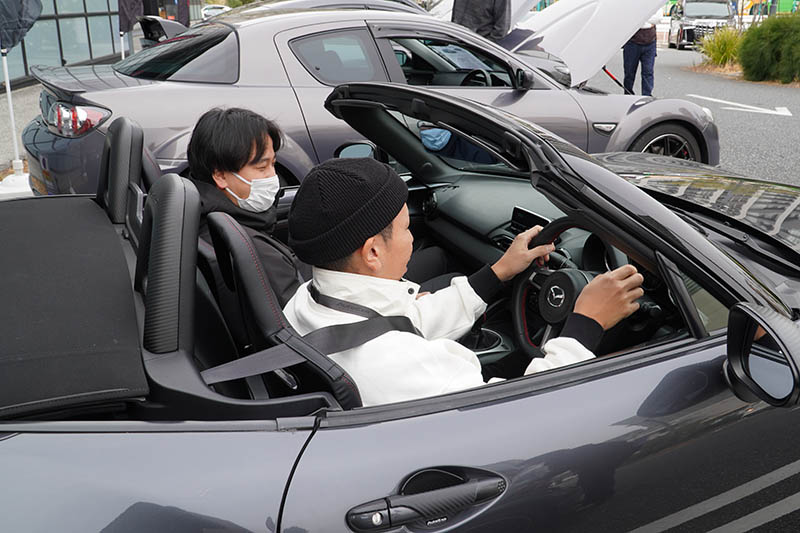
A test drive is far more than a quick spin around the block. It is a carefully orchestrated opportunity for potential buyers to experience a vehicle in real-world conditions. Unlike virtual tours or static displays, a test drive allows customers to assess a car’s performance, comfort, and features firsthand. The concept centers on engagement. Buyers are encouraged to interact with the vehicle, ask questions, and take their time to evaluate whether it meets their needs. For dealerships, this means preparing vehicles meticulously, ensuring they are clean, fueled, and equipped with all necessary features for demonstration. Staff play a crucial role in this process, providing knowledgeable insights and guiding buyers through the experience. A well-executed test drive can highlight a car’s strengths, address concerns, and build trust. It transforms a transactional process into a relationship-building exercise. By focusing on transparency and customer satisfaction, test drives have redefined what it means to buy a car, making the experience more personal, interactive, and ultimately, more rewarding.
Key Features & Highlights
- Real-World Performance: Test drives allow buyers to experience a car’s acceleration, braking, and handling in conditions that mimic everyday driving. This helps bridge the gap between manufacturer claims and actual performance.
- Comfort & Ergonomics: Seating position, visibility, and cabin noise are best evaluated during a test drive. Buyers can assess whether the car’s interior suits their preferences and lifestyle.
- Technology & Features: Modern vehicles come with advanced infotainment systems, driver assistance tools, and connectivity options. A test drive lets buyers interact with these features and determine if they meet their needs.
- Personalized Guidance: Knowledgeable sales representatives can provide tailored insights, answering questions about fuel efficiency, maintenance, and customization options.
- Emotional Connection: Feeling the steering wheel grip, hearing the engine roar, and sensing the car’s response creates an emotional bond that static displays cannot replicate.
- Risk Mitigation: For buyers unsure about a purchase, a test drive reduces uncertainty by allowing them to experience the car before making a final decision.
Frequently Asked Questions / Pros & Cons
What should I bring with me on a test drive?
Bring your driver’s license, as most dealerships require it for test drives. It’s also helpful to prepare a list of questions or features you want to test. Dress comfortably, and consider bringing a notepad to jot down impressions. If you plan to test multiple cars, wearing comfortable shoes can make switching between vehicles easier.
How long should a test drive last?
The ideal duration varies, but most dealerships recommend at least 20 to 30 minutes to get a proper feel for the car. This time allows you to test different driving scenarios, such as highway speeds, city traffic, and parking. If you’re seriously considering the vehicle, a longer drive of 45 minutes to an hour can provide a more comprehensive evaluation.
What are the pros of taking a test drive?
- Allows you to experience the car’s performance and comfort firsthand.
- Helps you identify any potential issues or concerns before purchasing.
- Builds confidence in your decision by providing a real-world assessment.
- Gives you an opportunity to ask specific questions about the vehicle’s features.
- Creates an emotional connection that can make the buying process more enjoyable.
What are the cons of taking a test drive?
- Some buyers may feel pressured by sales staff to make a quick decision.
- Not all dealerships offer flexible scheduling for test drives.
- A short test drive may not reveal long-term issues with the vehicle.
- Some buyers may feel overwhelmed by the number of options to evaluate in one visit.
- Availability of test vehicles can be limited, especially for rare or high-demand models.
Practical Guidance & Solutions
Taking a test drive is only as effective as the preparation that goes into it. To make the most of your experience, start by researching the models you’re interested in and identifying key features you want to test. Schedule your test drive in advance to ensure the dealership has the vehicle ready for you. When you arrive, take a few minutes to familiarize yourself with the car’s controls and features. Start with a short drive around the dealership’s lot to get a feel for basic handling, then gradually move to different road conditions, such as highways or quiet residential streets. Don’t hesitate to ask questions about fuel efficiency, warranty coverage, or maintenance requirements. If you’re comparing multiple cars, take notes during each test drive to keep track of your impressions. After the drive, take time to reflect on your experience and whether the car meets your needs. If something feels off, don’t be afraid to request another test drive or explore other options. The goal is to make an informed decision that you’ll be happy with for years to come.
For dealerships, creating a memorable test drive experience requires more than just handing over the keys. Staff should be trained to guide buyers through the process without being pushy. Offering a variety of driving routes, including highways and city streets, can help customers evaluate the car’s performance in different scenarios. Additionally, providing a comfortable waiting area with refreshments can enhance the overall experience. Dealerships should also consider offering test drives for longer periods or even overnight rentals for serious buyers. These small touches can make a significant difference in building trust and fostering long-term customer relationships.
Conclusion
The test drive has evolved from a simple formality into a transformative experience that redefines how we buy cars. In an era where consumers demand authenticity and engagement, this hands-on approach provides the clarity and confidence needed to make informed decisions. It bridges the gap between online research and real-world satisfaction, allowing buyers to connect with a vehicle on a deeper level. For dealerships, mastering the art of the test drive can lead to higher conversion rates, happier customers, and stronger brand loyalty. As technology continues to shape the automotive industry, the human touch of a test drive remains irreplaceable. It reminds us that buying a car is not just about specifications and prices. It’s about feeling, experiencing, and trusting the journey ahead. So, the next time you’re in the market for a new vehicle, don’t just read about it. Take it for a spin. You might just find that the perfect car was waiting for you all along.