Revive Your Ride: Innovative Tricks for Spotless, Shine-Filled Car Cleaning

Introduction & Background
Keeping your car clean goes beyond just aesthetics. A well-maintained vehicle reflects pride of ownership and ensures a healthier driving environment. Over time, dirt, grime, and environmental pollutants can accumulate on both the exterior and interior, leading to faded paint, unpleasant odors, and even potential damage to surfaces. Whether you commute daily or take occasional road trips, regular cleaning is essential. But traditional cleaning methods often fall short in delivering lasting shine and protection. That’s where innovative tricks come into play, offering smarter, faster, and more effective ways to restore your ride to its former glory. In this article, we’ll explore cutting-edge techniques and practical solutions to transform your car cleaning routine.
Concept & Overview
Car cleaning has evolved far beyond buckets of soapy water and a sponge. The modern approach integrates advanced products, tools, and methods to achieve superior results with minimal effort. At its core, innovative car cleaning focuses on three pillars: efficiency, effectiveness, and preservation. Efficiency means reducing time and physical strain, while effectiveness ensures deep cleaning without harming surfaces. Preservation involves using products that protect paint, upholstery, and trim from future damage. By combining microfiber technology, pH-balanced formulas, and eco-friendly practices, these methods deliver a showroom shine without the hassle. Whether you’re a DIY enthusiast or prefer professional services, understanding these principles will elevate your cleaning game.
Key Features & Highlights
- Microfiber Revolution: High-quality microfiber towels and mitts trap dirt particles more effectively than traditional cloths, preventing scratches while absorbing water and cleaning solutions.
- pH-Balanced Cleaners: Products designed to match the natural pH of your car’s surfaces ensure gentle yet powerful cleaning, especially for delicate materials like leather and vinyl.
- Clay Bar Treatment: This pre-wash step removes embedded contaminants from paint, leaving a smooth surface that enhances gloss and prepares the car for waxing or sealing.
- Steam Cleaning: Using high-temperature steam to sanitize and clean interiors kills bacteria, removes stains, and eliminates odors without harsh chemicals.
- Ceramic Coatings: Long-lasting protective layers applied to paint and wheels repel water, resist UV damage, and maintain shine for months or even years.
- Interior Detailing Sprays: Specialized sprays for plastics, glass, and fabrics break down grime quickly while leaving a protective layer to slow down future buildup.
- Eco-Friendly Options: Biodegradable and waterless cleaning products reduce environmental impact while still delivering professional-level results.
Frequently Asked Questions / Pros & Cons
What are the benefits of using a clay bar before washing?
A clay bar removes microscopic contaminants like industrial fallout, brake dust, and tree sap that regular washing cannot eliminate. This step ensures a smoother paint surface, which enhances the effectiveness of waxes and sealants. Additionally, it reduces the risk of swirl marks during polishing because the surface is cleaner before any friction is applied.
Is steam cleaning safe for all interior materials?
Steam cleaning is generally safe for most interior materials, including fabric seats, carpets, leather, and plastic trim. However, excessive heat or moisture can damage certain types of leather or cause discoloration on sensitive surfaces. Always test a small, hidden area first and use a lower steam setting on delicate materials. For vintage or high-end interiors, professional detailing services are recommended.
How often should I apply ceramic coating to my car?
Ceramic coatings typically last between two to five years, depending on the product quality, application process, and environmental exposure. High-end coatings offer longer protection but require proper maintenance, such as regular washing with pH-neutral shampoo and avoiding automatic car washes with harsh brushes. Reapplication is only necessary when the coating starts to lose its hydrophobic properties or show signs of wear.
Can I use household cleaners for car interiors?
Household cleaners like glass spray or all-purpose cleaners may contain ammonia or alcohol, which can dry out plastics, fade leather, and leave streaks on windows. It’s best to use products specifically formulated for automotive interiors. These are pH-balanced to protect surfaces and often include UV inhibitors to prevent cracking or discoloration over time.
What’s the difference between wax and sealant?
Carnauba wax offers a deep, natural shine and is ideal for show cars or concours events, but it typically lasts 4 to 6 weeks before needing reapplication. Synthetic sealants, on the other hand, provide longer-lasting protection, often 6 months to a year, and are more resistant to water and UV rays. Sealants are easier to apply and maintain but may not offer the same level of depth and warmth in appearance as wax.
Practical Guidance & Solutions
Implementing an innovative car cleaning routine begins with preparation. Start by parking your car in a shaded area to prevent cleaning solutions from drying too quickly, which can leave water spots. Gather your tools: a dual-action polisher for paint correction, microfiber applicator pads for wax or sealant, and separate buckets for washing and rinsing to avoid cross-contamination. Begin with a thorough rinse using a pressure washer or hose to remove loose dirt, then apply a pH-balanced foam cannon or snow foam to lift embedded grime before touching the paint.
For the exterior, use a two-bucket method: one for soapy water and one for rinsing your mitt. This prevents dirt from being transferred back onto the surface. After washing, dry the car with a clean microfiber towel or a drying aid like a blower to prevent water spots. Apply a clay bar lubricant before using the clay to glide smoothly over the paint. Once the surface is contaminant-free, proceed with polishing if needed, followed by a protective layer of wax or sealant.
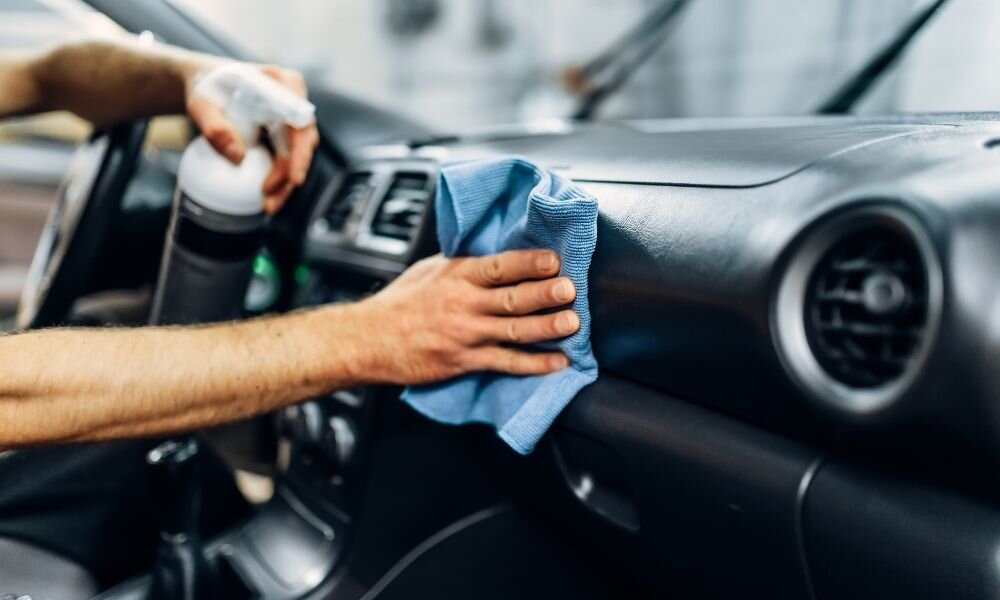
Inside the car, start by decluttering and vacuuming thoroughly. Use a soft-bristle brush to agitate dirt in crevices, then apply a fabric or leather cleaner with a microfiber applicator. For stubborn stains, a steam cleaner can penetrate deep into upholstery without oversaturating it. Wipe down hard surfaces like the dashboard and door panels with a damp microfiber cloth, followed by a quick-dry protectant spray to restore shine and repel dust.
Finally, maintain your results by washing your car every one to two weeks and applying quick detailer sprays between deep cleans. Park in a garage or use a car cover to shield your vehicle from prolonged sun exposure, which can fade paint and crack interiors. By adopting these practices, you’ll keep your ride looking showroom-ready year-round with minimal effort.
Conclusion
Reviving your car’s shine doesn’t require endless hours or expensive products. With the right techniques and tools, you can achieve professional-level results in your own driveway. From clay bar treatments to ceramic coatings, each step in the process serves a purpose: to clean, protect, and preserve. Remember, consistency is key. Regular maintenance not only keeps your car looking great but also protects your investment in the long run. So, roll up your sleeves, gather your supplies, and give your ride the care it deserves. Your car will not only look stunning but will also reward you with years of reliable, enjoyable performance on the road.