
Car Troubleshooting Moves for Everyday Issues
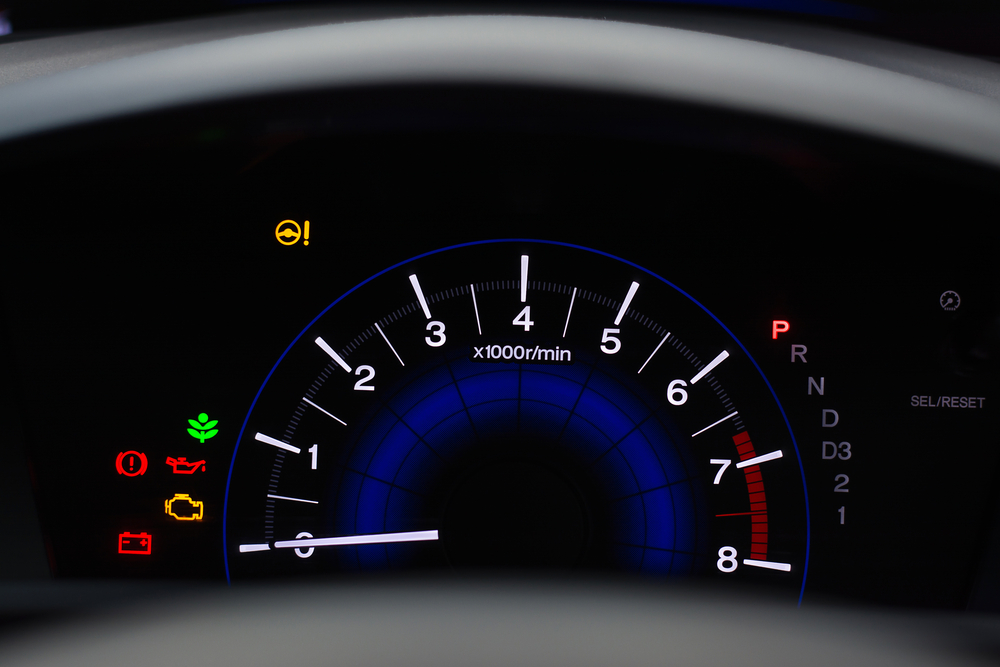
Driving becomes far more enjoyable when the essentials of everyday issue troubleshooting are understood clearly and applied with confidence. Daily driving conditions create a variety of predictable challenges, and the ability to identify them quickly saves time and prevents unnecessary frustration. A smooth routine begins with awareness, evolves through observation, and strengthens with consistent practice. Troubleshooting skills become second nature when drivers pay attention to the subtle behavior of their vehicles.
Understanding the Nature of Daily Car Problems
The issues encountered most frequently are often the simplest to diagnose. Unusual sounds, minor performance changes, or subtle warning lights tend to appear long before a serious malfunction develops. These daily anomalies provide valuable signals that something requires attention. Recognizing them early prevents compounding problems and ensures that the car continues running efficiently.
Drivers benefit from examining symptoms individually rather than assuming they point to a larger failure. A rattling noise may originate from loose heat shields, not the exhaust system. Dim headlights may result from a failing alternator belt rather than electrical system decay. When each symptom is approached methodically, the path to resolution becomes clearer.
Monitoring Engine Behavior for Predictable Patterns
Engine behavior often reveals the earliest signs of trouble. Slight roughness at idle, delayed acceleration, or unexpected vibrations can all indicate imbalances in the fuel or ignition systems. These patterns often develop gradually and demand careful attention. A routine engine check that includes assessing spark plugs, inspecting filters, and observing idle consistency supports long term engine health.
Daily driving exposes the engine to constant thermal changes. Temperature fluctuations can loosen connections, weaken sensors, or influence fluid performance. This makes periodic observation essential to catching small issues before they evolve into more disruptive problems.
Managing Electrical System Challenges
Electrical challenges occur more frequently than many drivers expect. Flickering dashboard lights, intermittent power window behavior, or slow cranking can all indicate voltage irregularities. These symptoms are often rooted in simple causes such as worn battery terminals, aging alternators, or corroded cables.
A quick battery inspection can reveal much about electrical system health. Clean terminals, tight connections, and stable voltage output allow all components to function normally. Addressing these issues ensures consistent performance and avoids inconvenient breakdowns during daily use.
Keeping an Eye on Tires and Alignment
Tire problems are among the most common everyday issues. A tire might lose pressure slowly due to a minor puncture, temperature change, or valve seepage. Underinflation leads to reduced fuel efficiency, uneven wear, and overall sluggish handling. Checking tire pressure regularly and examining tread patterns helps maintain optimal performance.
Alignment concerns also tend to develop subtly. A slight pull to one side, a steering wheel that sits off center, or irregular tire wear indicates an alignment variation. Quick correction restores smooth handling and protects suspension components from unnecessary stress.
Addressing Brake System Signals
Brakes provide unmistakable warnings when something is amiss. Squealing sounds, soft pedal response, or vibration during braking typically indicate pad wear or rotor inconsistencies. These symptoms should be addressed quickly to ensure safety and maintain braking precision.
Everyday brake checks do not require advanced technical skills. A quick listen for unusual sounds, an observation of pedal firmness, and awareness of stopping distance are all useful indicators. When drivers respond early, the repair remains simple and cost effective.
Detecting Transmission Irregularities
Although transmissions are engineered for durability, daily driving conditions can reveal early irregularities. Delayed shifting, occasional slipping, or unexpected noise can all signal that the transmission fluid needs attention. Clean fluid ensures reliable lubrication and stable pressure, which are essential for smooth gear transitions.
Routine fluid checks and awareness of shifting behavior simplify troubleshooting. When issues arise, identifying them quickly helps avoid extensive repairs and keeps the vehicle responsive during everyday travel.
Watching the Cooling System for Subtle Clues
Cooling system performance affects engine temperature, cabin comfort, and overall reliability. Slight rises in temperature, visible coolant residue, or faint odors often reveal small leaks or failing components. These indicators should be addressed promptly to prevent overheating.
Checking coolant levels regularly and observing hoses for swelling or wear reduces the likelihood of heat related failures. A stable cooling system keeps the engine operating within safe limits, particularly during heavy traffic or warm weather conditions.
Monitoring Sound and Vibration Changes
New sounds or vibrations often provide early clues about developing issues. A rhythmic thump may signify uneven tire wear. A metallic tapping could point to loose components. A humming noise at specific speeds might indicate wheel bearing wear. Each sound has a distinct pattern that helps narrow down the cause.
Drivers who take the time to listen and feel for changes develop a stronger connection with their vehicles. This heightened awareness supports quicker troubleshooting and smoother daily performance.
Creating a Simple Daily Troubleshooting Routine
Establishing a light but consistent routine improves reliability and enhances confidence. Checking fluid levels, inspecting tires, and observing dashboard indicators take only a few minutes but make a meaningful difference. Small efforts accumulated over time lead to fewer surprises and a more dependable driving experience.
A simple routine also creates a habit of attentiveness. When something feels unusual, the driver is more equipped to interpret it and respond effectively. This approach transforms everyday troubleshooting into an empowering and practical skill set.
Moving Forward With Greater Confidence
Troubleshooting everyday issues does not require advanced mechanical expertise. It requires attention, consistency, and a willingness to act when subtle signs appear. Understanding the most common daily challenges allows drivers to maintain smoother operation, reduce repair costs, and enjoy greater peace of mind.
When drivers stay observant and respond promptly, their vehicles reward them with dependable performance, steady handling, and greater longevity.