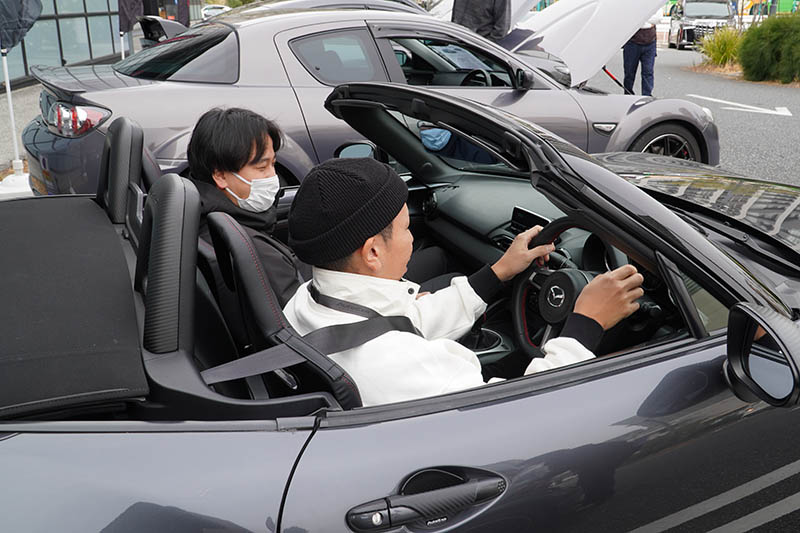
Exploring Freedom on Wheels: The Art of the Test Drive

Introduction & Background
The open road has always been a symbol of freedom, adventure, and self-discovery. For many, the thrill of driving is not just about reaching a destination but about the journey itself. The test drive represents the first step toward that journey, offering a glimpse into the relationship between driver and machine. Whether you are a seasoned car enthusiast or a first-time buyer, the test drive is a crucial moment where excitement meets decision-making. It transforms a vehicle from a static object on a showroom floor into a living, breathing extension of the driver. In an era of rapid technological advancement and shifting consumer priorities, the art of the test drive remains timeless. It bridges the gap between desire and commitment, allowing individuals to test their compatibility with a car before making a significant investment.
The significance of the test drive extends beyond personal preference. It is a ritual that shapes the automotive industry, influencing trends, marketing strategies, and even the design of future vehicles. Dealerships recognize its power, often curating routes that highlight a car’s strengths, from smooth handling on highways to responsive steering in tight corners. For buyers, it is an opportunity to assess comfort, technology integration, and overall fit for daily life. The test drive is not merely a formality; it is a personal experience that can define the next chapter of mobility. As the world evolves, so does the role of the test drive, adapting to new technologies like electric powertrains and autonomous features while still delivering the same core promise: the freedom to choose the perfect ride.
Concept & Overview
The test drive is a controlled, hands-on experience where potential buyers evaluate a vehicle’s performance, comfort, and suitability for their needs. At its core, it is both a practical assessment and an emotional connection. Unlike reading specifications or watching promotional videos, the test drive allows individuals to engage with a car through all five senses. The hum of the engine, the grip of the steering wheel, the way the seats mold to the body, and the seamless integration of technology all contribute to the evaluation process. This immersive experience helps buyers move beyond the abstract and into the tangible.
The concept of the test drive has evolved alongside the automotive industry. Initially, it was a simple matter of taking a car for a short spin around the block. Today, dealerships offer tailored routes, from urban streets to scenic highways, designed to showcase a vehicle’s strengths in real-world conditions. Advanced technologies such as regenerative braking in electric vehicles or adaptive cruise control in luxury cars can be tested in environments that mimic actual driving scenarios. The test drive has also become a tool for building trust between buyers and sellers, offering transparency in an industry often criticized for hidden complexities. Whether it lasts 15 minutes or an entire day, the test drive remains a non-negotiable step in the car-buying process for those who value both performance and peace of mind.
Key Features & Highlights
- Personalized Routes: Dealerships often design test drive routes that highlight a vehicle’s strengths, such as smooth highway cruising, responsive urban maneuverability, or off-road capability for SUVs. This customization ensures buyers experience the car in scenarios relevant to their lifestyle.
- Technology Integration: Modern test drives allow buyers to interact with advanced features like touchscreen infotainment systems, voice-activated controls, and driver-assistance technologies. This hands-on approach helps assess usability and comfort with new systems.
- Comfort & Ergonomics: The test drive provides an opportunity to evaluate seating comfort, visibility, and noise levels. Buyers can determine whether the car’s interior aligns with their daily needs, from long commutes to family road trips.
- Performance Assessment: Acceleration, braking, handling, and suspension performance can be felt firsthand during a test drive. These elements are critical for enthusiasts and practical buyers alike, as they directly impact driving enjoyment and safety.
- Dealer Support & Guidance: Knowledgeable sales representatives often accompany buyers during test drives, offering insights into the vehicle’s features and answering questions. This interaction can build confidence and clarify any uncertainties about the purchase.
- Flexible Scheduling: Many dealerships now offer extended test drives or overnight rentals, allowing buyers to experience a car in their own environment. This extended exposure can reveal details that a short test drive might miss.
- Comparative Evaluations: Some buyers conduct test drives of multiple vehicles side by side to compare handling, comfort, and technology. This approach helps narrow down choices and ensures the final decision is well-informed.
Frequently Asked Questions / Pros & Cons
What should I focus on during a test drive?
During a test drive, pay attention to how the car feels under your control. Evaluate the steering response, braking efficiency, and overall handling in different conditions. Test the visibility from the driver’s seat, the comfort of the seats over a longer period, and the ease of accessing controls. Also, assess the infotainment system’s responsiveness and whether the sound system meets your expectations. If possible, drive on roads similar to those you regularly travel, as this will give you the most accurate impression of the car’s suitability.
Is a short test drive enough to make a decision?
A short test drive can provide a general sense of a car’s performance and comfort, but it may not reveal long-term issues or nuances. Extended test drives or overnight rentals are ideal for a more thorough evaluation. They allow you to experience the car in various conditions, such as morning and evening commutes or weekend errands. If extended options are not available, consider revisiting the dealership at different times of day to assess visibility and comfort under varying lighting and traffic conditions.
Pros of a thorough test drive:
- Helps identify potential issues with handling, comfort, or technology integration that may not be apparent in a brochure.
- Provides a sense of emotional connection to the vehicle, which can be as important as practical considerations.
- Allows buyers to compare multiple vehicles directly, leading to a more informed decision.
- Gives confidence in the purchase by ensuring the car meets both practical and personal needs.
Cons to consider:
- Test drives in controlled environments may not fully replicate real-world driving conditions, such as heavy traffic or poor weather.
- Sales representatives may pressure buyers during the test drive, potentially influencing their perception or decision.
- Extended test drives are not always available, limiting the buyer’s ability to evaluate the car over time.
- Some buyers may feel overwhelmed by the number of features to assess, leading to decision fatigue.
Practical Guidance & Solutions
To maximize the value of your test drive, preparation is key. Start by researching the vehicles you are interested in, focusing on their strengths and weaknesses based on expert reviews and owner feedback. This background knowledge will help you ask informed questions during the test drive and identify areas that require closer attention. Before arriving at the dealership, make a list of must-have features and deal-breakers, such as fuel efficiency, cargo space, or specific safety technologies. This list will serve as a guide during your evaluation.
When you arrive at the dealership, take your time and do not rush the process. Request a test drive that includes a variety of road types, from highways to residential streets, to fully assess the car’s performance. If possible, drive the route yourself rather than relying solely on the sales representative. This hands-on approach allows you to feel the car’s responses more accurately. During the drive, test features like the climate control system, infotainment inputs, and parking sensors to ensure they meet your expectations. If you are comparing multiple vehicles, schedule test drives on the same day to make direct comparisons easier.
After the test drive, take notes about your impressions while they are still fresh. Consider factors like comfort, noise levels, and ease of use, as these can influence your daily driving experience. If you are still uncertain, ask about extended test drive options or the possibility of renting the vehicle for a day. Many dealerships are flexible with this request, especially for high-value purchases. Finally, do not hesitate to revisit the dealership for a second test drive if needed. A thorough evaluation is far more valuable than a quick decision, and the time invested can save you from buyer’s remorse in the long run.
Conclusion
The test drive is more than a formality; it is an essential chapter in the story of car ownership. It transforms a vehicle from a collection of features into a trusted companion on the road, capable of delivering both freedom and reliability. In a world where choices are abundant and technology is constantly evolving, the test drive remains a timeless ritual that grounds the buying process in reality. It allows drivers to listen to the hum of an engine, feel the grip of the road, and envision themselves behind the wheel for years to come.
For those embarking on the journey of selecting a new car, embrace the test drive as an opportunity for discovery. Whether it is the thrill of acceleration, the comfort of a well-designed interior, or the confidence inspired by advanced safety features, this experience is your chance to find a vehicle that truly resonates. Approach it with curiosity, patience, and a willingness to listen to both the car and your instincts. After all, the road ahead is long, and the right car will make every mile feel like an adventure. So buckle up, turn the key, and let the art of the test drive guide you toward the perfect ride.