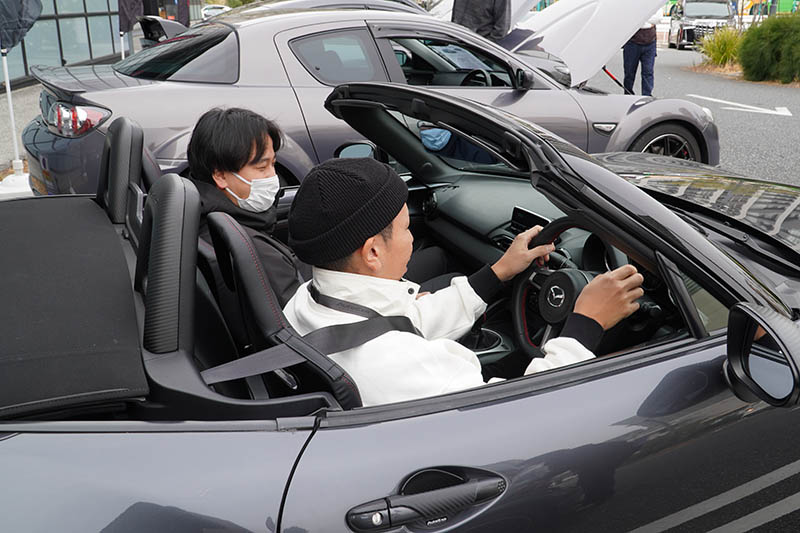
The Road Less Traveled: Unraveling the Mysteries Behind Driving Impressions

Introduction & Background
Driving is more than just a means of transportation. It is an experience shaped by countless factors, from the driver’s skill to the condition of the road. Among these factors, one of the most intriguing yet often overlooked is the concept of “driving impressions.” These impressions are the subtle cues, feelings, and perceptions that drivers form while operating a vehicle. They influence everything from safety decisions to emotional connections with the car itself. Understanding driving impressions can unlock deeper insights into human behavior, vehicle design, and even the psychology of mobility. This article explores the mysteries behind these impressions, offering a closer look at what shapes our experiences on the road.
Concept & Overview
Driving impressions refer to the sensory and cognitive responses a driver experiences while operating a vehicle. These impressions are not limited to the physical handling of the car but also include emotional and psychological reactions. For instance, the sound of an engine, the feel of the steering wheel, and even the scent inside the cabin contribute to the overall impression. Manufacturers and designers invest significant effort into refining these elements to create a positive driving experience. The goal is to make the vehicle feel intuitive, responsive, and enjoyable. Over time, driving impressions have evolved from basic functionality to a blend of technology, comfort, and aesthetics. Today, they play a critical role in shaping consumer preferences and brand loyalty in the automotive industry.
Key Features & Highlights
- Sensory Feedback. The tactile response of the steering wheel, the vibrations from the engine, and the sound insulation all contribute to how a driver perceives the vehicle. A well-tuned suspension system, for example, can make rough roads feel smoother, enhancing comfort and confidence.
- Ergonomic Design. The layout of controls, the position of the pedals, and the visibility from the driver’s seat all affect driving impressions. A poorly designed cockpit can lead to fatigue or distraction, while an intuitive setup fosters ease and control.
- Acceleration & Braking. The way a car accelerates and decelerates can evoke strong impressions. A responsive engine that delivers smooth power transitions creates a sense of reliability, whereas abrupt changes may feel unsettling.
- Interior Ambiance. The materials used in the cabin, the color scheme, and even the ambient lighting play a role in shaping impressions. Luxurious interiors often aim to create a calming and premium atmosphere, while sportier designs may emphasize excitement and energy.
- Technology Integration. Modern vehicles are equipped with advanced driver-assistance systems (ADAS) and infotainment features. How these systems interact with the driver, whether through voice commands, touchscreens, or haptic feedback, can greatly influence the overall impression of sophistication and usability.
Frequently Asked Questions / Pros & Cons
What exactly are driving impressions, and why do they matter?
Driving impressions are the collective sensory and emotional responses a driver experiences while operating a vehicle. They matter because they directly impact safety, comfort, and enjoyment. A positive driving impression can make a driver feel more in control and confident, while a negative one may lead to stress or dissatisfaction. Manufacturers leverage these impressions to differentiate their vehicles in a competitive market.
How do driving impressions influence car buying decisions?
When consumers test drive a vehicle, their impressions play a crucial role in their purchasing choices. Factors like the feel of the steering wheel, the quietness of the cabin, or the responsiveness of the engine can leave lasting impressions that sway buyers toward or away from a particular model. Dealerships often focus on creating memorable test drives to highlight these positive impressions.
What are the pros and cons of prioritizing driving impressions in vehicle design?
Pros. Prioritizing driving impressions can lead to higher customer satisfaction and brand loyalty. Vehicles that offer a pleasurable driving experience are more likely to be recommended and repurchased. Additionally, a well-designed driving experience can enhance safety by reducing driver fatigue and improving focus.
Cons. Overemphasizing driving impressions might result in higher production costs, as manufacturers invest in premium materials and advanced technologies. There is also a risk of creating impressions that do not align with real-world driving conditions, leading to disappointment once the novelty wears off.
Practical Guidance & Solutions
For drivers looking to enhance their driving impressions, there are several actionable steps to consider. First, take the time to adjust the vehicle’s settings, such as seat position, steering wheel tilt, and mirror angles, to create a comfortable and personalized driving environment. This small adjustment can significantly improve sensory feedback and control.
Next, pay attention to maintenance. A well-maintained vehicle with fresh tires, clean filters, and properly functioning suspension will deliver a smoother and more predictable driving experience. Regular servicing ensures that the car’s performance aligns with the impressions it aims to create.
For those considering a new vehicle purchase, prioritize test drives in varied conditions. Pay close attention to how the car handles acceleration, braking, and cornering. Evaluate the interior ambiance and technology features to ensure they resonate with your preferences. Sometimes, the best impressions are formed during long drives, so take the opportunity to experience the vehicle over extended periods.
Lastly, consider aftermarket upgrades that align with your desired driving impressions. Upgraded seats, sound systems, or even lighting can enhance the sensory experience. However, ensure that any modifications do not compromise safety or functionality.
Conclusion
The road less traveled in the world of automotive design is not just about the destination but the journey itself. Driving impressions are the invisible threads that weave together the physical and emotional aspects of operating a vehicle. They shape how we feel behind the wheel, influencing our decisions and memories every time we drive. By understanding and refining these impressions, drivers and manufacturers alike can create experiences that are not only functional but also deeply satisfying. Whether you are a casual driver or a car enthusiast, paying attention to these impressions can transform an ordinary commute into a moment of pure connection with the road. The next time you get behind the wheel, take a moment to notice the impressions, they might just reveal a new layer of appreciation for the art of driving.