
Sharp Insights From Car Troubleshooting
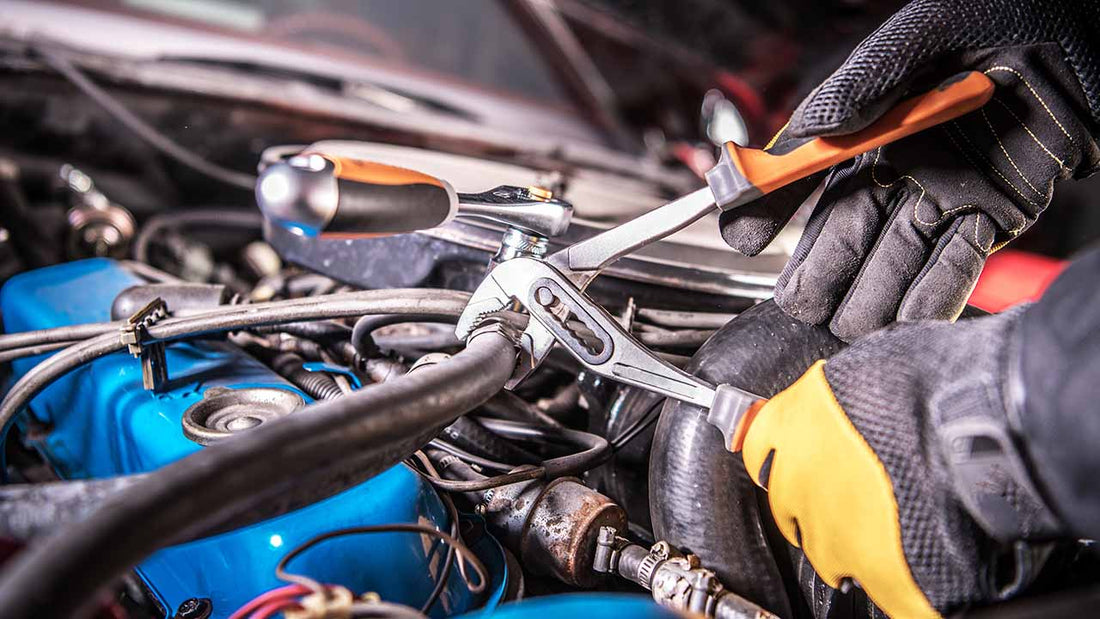
Gaining sharp insight troubleshooting skills equips every driver with the clarity needed to handle unexpected issues on the road. Small signs often reveal larger underlying problems, yet many drivers overlook them. With the right attention and a curious mindset, even complex vehicle concerns become easier to interpret. A well informed driver enjoys smoother trips, faster fixes, and fewer stressful breakdowns.
Understanding the Vehicle’s Subtle Language
Every car communicates through sound, vibration, and performance shifts. These subtle cues often appear long before a major malfunction. A faint rattle at low speeds, a slight vibration during acceleration, or a delayed gear shift may indicate irregularities within the system. Drivers who pay attention to these early details eliminate guesswork and address problems before they escalate.
Troubleshooting begins with awareness. It is the foundation for identifying changes in the engine, transmission, or suspension. Small deviations in performance provide valuable insight into what requires attention.
Reading Dashboard Alerts With Confidence
Modern dashboards serve as a car’s internal messenger. Warning lights illuminate when sensors detect deviations from normal operation. While some alerts signal minor concerns, others demand immediate action.
A steady check engine light often suggests a manageable issue. A flashing one may indicate misfires or more severe defects. Understanding these patterns allows drivers to prioritize their next steps. Quick responses reduce long term damage and preserve overall vehicle health.
Monitoring Engine Behavior
The engine is the heart of the vehicle. When it behaves differently, the entire system feels the effect. Rough idling, inconsistent power delivery, and knocking sounds often reflect problems related to ignition, airflow, or fuel mixture.
Troubleshooting engine concerns requires curiosity and steady observation. Inspecting air filters, spark plugs, and fuel injectors helps restore efficiency. Clean components ensure balanced combustion and smoother acceleration.
Paying Attention to Fuel Efficiency Changes
A sudden drop in fuel economy is more than an inconvenience. It is a sign that the vehicle is working harder than it should. Clogged injectors, worn sensors, or low tire pressure may force the engine to consume more fuel.
Monitoring fuel usage helps drivers identify hidden problems. Addressing these concerns leads to better mileage, improved performance, and reduced overall costs.
Strengthening the Health of the Electrical System
Modern vehicles rely heavily on electronics. Batteries, alternators, and wiring work together to power lights, sensors, and onboard computers. When the electrical system weakens, multiple components begin to falter.
Dim headlights, slow engine starts, or misbehaving infotainment systems often signal voltage inconsistencies. Regularly checking battery life and cleaning corrosion supports consistent electrical flow. This proactive care helps prevent sudden failures.
Maintaining Proper Cooling System Function
Overheating remains a leading cause of roadside issues. The cooling system controls engine temperature through a network of hoses, coolant, and the radiator. Leaks, aging hoses, or low fluid levels can disrupt thermal balance.
Inspecting coolant levels and evaluating hose condition promotes reliable temperature control. A well maintained cooling system protects the engine from heat damage and enhances long term durability.
Improving Transmission Smoothness
A healthy transmission ensures seamless shifting and comfortable driving. When gear changes become rough or delayed, the system may be experiencing stress. Aging fluid or internal wear often contributes to these symptoms.
Troubleshooting transmission behavior involves checking fluid clarity, monitoring shifting patterns, and addressing unusual sensations early. Timely maintenance keeps driving smooth and predictable.
Securing Braking Performance
Brakes must operate at peak efficiency. Any sound or vibration during braking suggests that components are wearing unevenly or losing effectiveness. Stopping power directly influences safety, making brake maintenance essential.
Drivers benefit from examining pad thickness, rotor quality, and fluid levels. Prompt troubleshooting keeps the braking system responsive and dependable during daily use.
Evaluating Tire and Suspension Conditions
Tires and suspension work together to create a stable and comfortable ride. Uneven tire wear, wobbling, or drifting may indicate misalignment or weakened suspension parts.
Regular inspections help drivers maintain balance and traction. Healthy tires improve safety, especially during high speed or long distance travel. Attention to these components supports better control on all types of roads.
Encouraging Proactive Troubleshooting Habits
Developing proactive habits enhances driver confidence. Observing how the vehicle behaves during daily commutes, long trips, or challenging terrain builds familiarity with its normal operation. When something changes, it becomes easier to identify.
Proactive troubleshooting creates a cycle of reliability. Each inspection, adjustment, or repair contributes to smoother performance and fewer surprises.
Embracing the Insightful Approach
Troubleshooting is more than responding to problems. It is about understanding the vehicle as a system of interconnected parts. Drivers who embrace this mindset gain sharper insights, faster solutions, and greater peace of mind.
By recognizing patterns, responding quickly to alerts, and maintaining essential components, every driver enhances their experience behind the wheel. Clear awareness leads to better decisions, safer journeys, and lasting reliability on every road.